Fallen Tree Removal – Who’s Responsible and What You Need to Know

When a tree falls, the aftermath can be chaotic—damaged property, blocked roads, or even downed power lines. But beyond the immediate mess, one critical question arises: Who is responsible for removing it? As an experienced arborist, I’ve seen countless cases where homeowners, neighbours, or even city officials are left unsure about their legal and financial obligations.
Understanding responsibility is crucial because fallen trees can lead to expensive cleanup costs, insurance claims, and even disputes between neighbours. In some cases, a homeowner’s insurance policy might cover removal. In contrast, in others, the financial burden falls entirely on the property owner. Knowing your rights and responsibilities ahead of time can save you from unnecessary stress and unexpected expenses.
In this guide, we’ll break down who is responsible for fallen tree removal in different scenarios, how to navigate insurance claims, and what steps you can take to prevent tree-related hazards on your property.
Who is Responsible for a Fallen Tree?
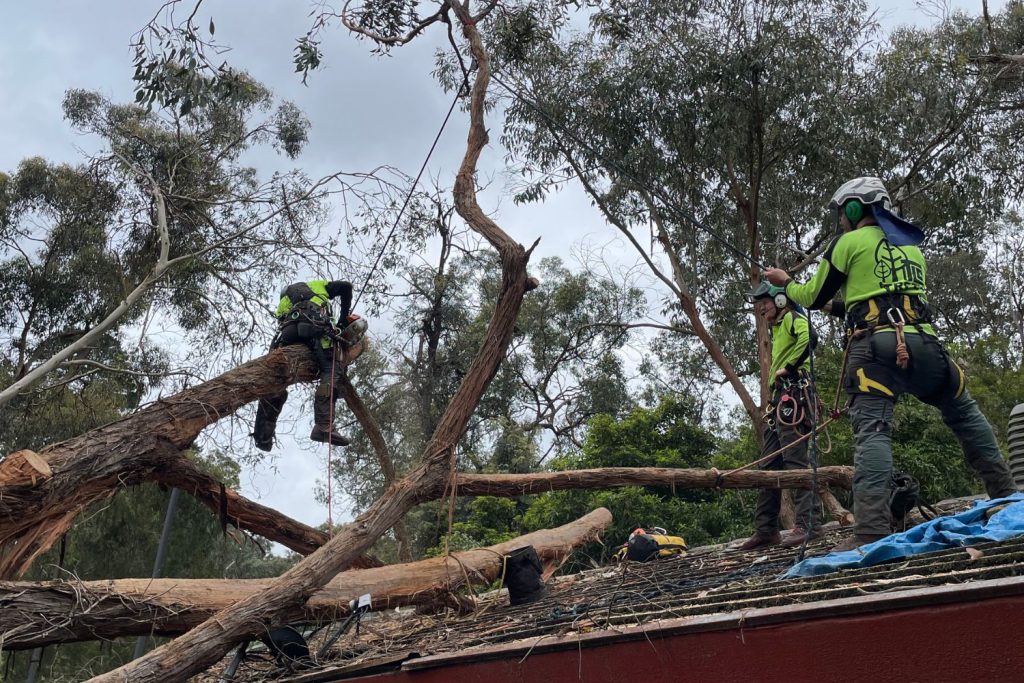
Determining who is responsible for removing a fallen tree depends on where it lands and what caused it to fall. In many cases, legal responsibility falls on the property owner where the tree has landed. Still, there are exceptions depending on negligence, insurance policies, and local regulations. Let’s explore different scenarios and what actions to take.
Tree Falls on Your Property
If a tree falls within your property boundaries—whether from your land or a neighbour’s—the responsibility to remove it typically falls on you. As a homeowner, you are expected to handle the cleanup, repair any damage, and take necessary safety precautions. However, before acting, check your homeowners’ insurance policy.
Insurance Coverage Possibilities:
- Suppose the tree falls due to a covered peril, such as a storm, fire, or vandalism. In that case, your insurance may cover removal and property repairs.
- If the tree was already dead, diseased, or neglected, your insurer may deny the claim, considering it a maintenance issue.
- Some policies cover only portions of removal costs, particularly if the tree doesn’t damage a structure.
To avoid disputes, regular tree maintenance is essential. Inspecting and pruning weak trees can prevent unexpected hazards.
Tree Falls from a Neighbor’s Yard
If a neighbour’s tree falls onto your property, the situation becomes more complex. Generally, your homeowner’s insurance covers the removal and any property damage, regardless of ownership. However, liability can shift depending on negligence.
How Liability is Determined:
- If the tree was healthy and fell due to natural causes (storm, high winds), it is considered an “Act of God,” and you are responsible for its removal.
- If the tree was dead, diseased, or unstable and the neighbour ignored warnings, they may be held liable. You may be able to claim damages through their homeowner’s insurance.
Steps to Take:
- Document the damage – Take photos and videos of the fallen tree and its impact.
- Communicate with your neighbour – A friendly discussion can help determine responsibility.
- Check your insurance policy – If covered, file a claim.
- Send a formal notice – If negligence is suspected, legal action may be necessary.
Tree Falls on Public Property (Roads, Parks, Sidewalks)
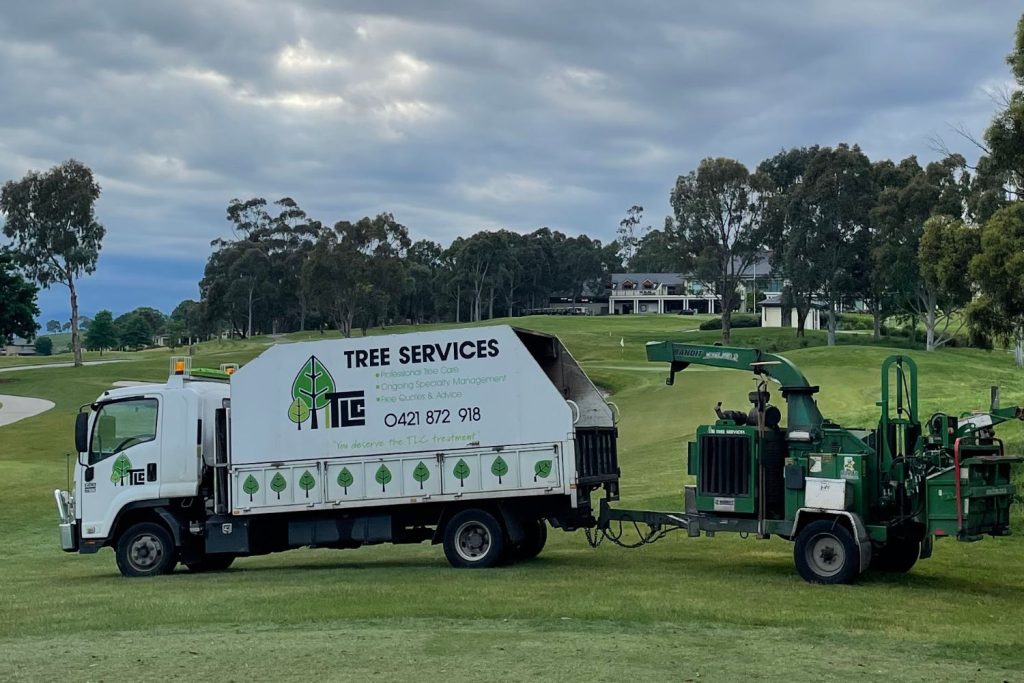
When a tree falls on public land, the local government or municipality is typically responsible. Cities and councils have tree management programs and emergency response teams to handle such incidents.
Who is Responsible for Removal?
- If the tree was rooted on public land, the local council is responsible for its removal.
- Suppose the tree came from private property but landed in a public space. In that case, the property owner might be responsible for part or all of the removal costs.
When to Contact Local Authorities:
- If a tree blocks a roadway or sidewalk.
- If it causes a safety hazard (e.g., leaning dangerously).
- If it damages public infrastructure like streetlights or fences.
Many councils have emergency response numbers for tree-related incidents. Homeowners should report issues promptly to prevent further damage or liability concerns.
Tree Falls on Utility Lines
Fallen trees on power lines pose serious safety risks, including electrical fires and power outages. Homeowners should never attempt to remove trees entangled in power lines.
Who to Call for Emergency Removal?
- Contact your local power company immediately. Utility companies prioritize tree removal from electrical lines and restore services as quickly as possible.
- If the fallen tree also blocks roads or driveways, notify emergency services.
Safety Precautions to Take:
- Stay at least 10 meters away from any downed power lines.
- Do not touch metal fences or water sources near the fallen tree.
- If inside a vehicle trapped by power lines, remain inside and call emergency services.
Understanding tree removal responsibility in these different scenarios can save time, money, and potential legal disputes. Next, we’ll explore how insurance coverage works and ways to prevent tree-related hazards before they become costly problems.
Does Homeowners Insurance Cover Fallen Trees?
Homeowners often wonder whether their insurance will cover the cost of removing a fallen tree. The answer depends on what caused the tree to fall, where it landed, and whether it caused damage. Insurance policies vary, but understanding what’s covered can help you avoid unexpected expenses.
Scenarios Where Insurance Covers Tree Removal
Your homeowners’ insurance will likely cover tree removal if the tree damages a covered structure or blocks access to your home. Common covered scenarios include:
- Storm Damage—If a windstorm, hurricane, or heavy rain causes a tree to fall on your house, garage, or fence, your insurance will typically cover the removal and repairs.
- Lightning Strikes – If a tree is struck by lightning and collapses, removal costs are often included.
- Falling on a Covered Structure – If the tree damages your roof, deck, or shed, your insurer will generally cover both removal and repairs.
- Blocking Driveways – Some policies cover removal costs if a fallen tree blocks access to your home, even if there’s no structural damage.
When Insurance Does Not Cover Removal
There are situations where homeowners are responsible for the cost of tree removal:
- No Property Damage – If a tree falls in your yard without hitting anything, most insurance policies will not cover removal. You’ll need to pay out of pocket.
- Poor Tree Maintenance – If the tree was already dead, rotting, or unstable and you failed to maintain it, insurers may deny the claim, citing negligence.
- Flood or Earthquake Damage – Many standard policies do not cover tree damage caused by floods or earthquakes unless you have a specific rider for those events.
- Tree Falls from Neighbor’s Yard (Natural Causes) – If your neighbour’s tree falls onto your property due to a storm or wind, you must file a claim with your insurance unless you can prove neglect.
How to File a Claim for Tree Damage
If a fallen tree damages your home or property, follow these steps to maximize your chances of a successful insurance claim:
- Document Everything – Take clear photos and videos of the fallen tree and the damage it caused.
- Prevent Further Damage—To prevent water intrusion, Cover any exposed areas of your home (like a damaged roof) with a tarp.
- Contact Your Insurance Provider – Report the incident and ask about coverage for removal and repairs.
- Get an Estimate – Insurance companies may require an estimate from a licensed tree removal company before approving a claim.
- Follow up—Keep records of all communication with your insurer and follow up regularly to ensure your claim is processed quickly.
Understanding your insurance coverage before disaster strikes can save you time and stress. Next, we’ll explore preventative measures you can take to reduce the risk of tree-related damage.
How to Prevent Trees from Falling on Your Property
Nobody wants to wake up to a fallen tree blocking their driveway or damaging their home. The good news? There are ways to reduce the risk. Here’s what you can do:
1. Keep Your Trees Well-Maintained
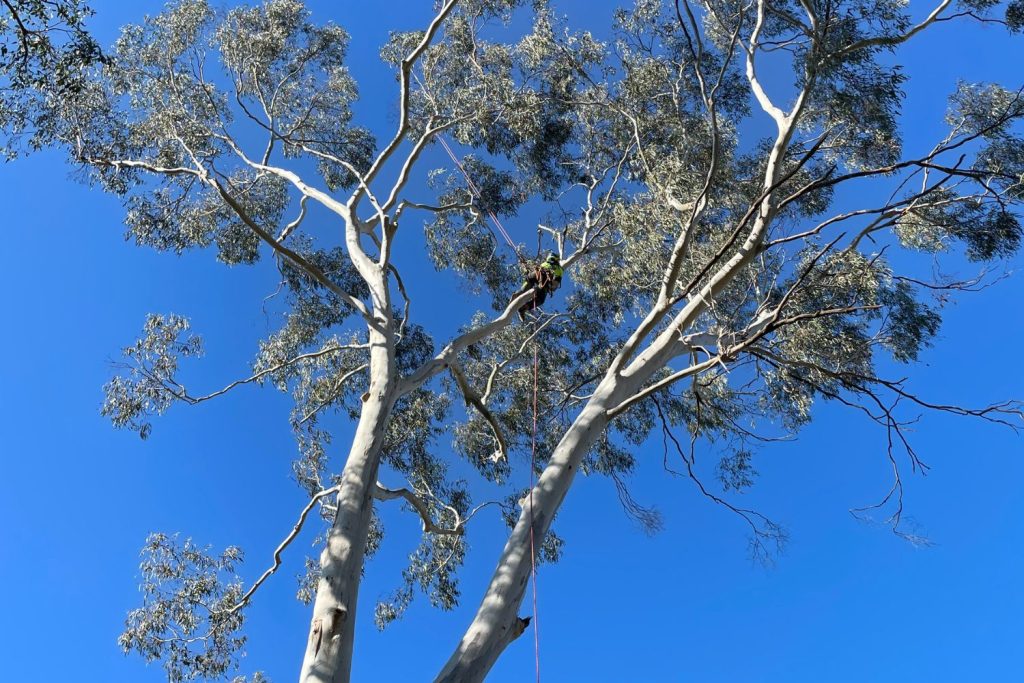
Regular pruning keeps trees healthy and reduces the chance of weak branches snapping off in a storm. Cutting back overgrown limbs can also prevent them from interfering with power lines or structures. A well-trimmed tree is a safer tree!
2. Know the Warning Signs
Some trees are more likely to fall than others. Keep an eye out for:
- Large cracks in the trunk or major branches
- Dead limbs or missing bark
- Mushrooms or fungus growing at the base (a sign of internal decay)
- A tree that’s leaning more than usual
If you spot any of these signs, don’t wait—get a professional arborist to inspect it.
3. Get a Pro to Check Your Trees
Is a tree a hazard? A certified arborist can assess its health and tell you if it needs pruning, support cables, or removal. It’s better (and cheaper) to handle a risky tree before it falls!

What to Do If a Tree Falls on Your Property
If a tree crashes down on your property, don’t panic. Here’s what to do next:
1. Make Sure It’s Safe
- If power lines are involved, stay far away and call emergency services.
- Check for structural damage to your home, car, or fences.
- Avoid climbing on or cutting the tree yourself if it’s in a dangerous position.
2. Take Photos for Insurance
Before anything gets moved, snap clear pictures of the tree and any damage it caused. This helps when filing an insurance claim.
3. Call the Right People
- Local authorities – If the tree is blocking a road or sidewalk, report it.
- Your insurance provider – If the tree damaged your home or other property, let them know right away.
- A tree removal service – If it’s a big job, get a pro to take care of it safely.
4. Decide If You Can Remove It Yourself
Small branches? You can clear them yourself. A large tree or one tangled in power lines? Call a professional. Removing a tree the wrong way can be dangerous!
Who’s Responsible for Removing a Fallen Tree?
When a tree falls, figuring out who’s responsible for removing it isn’t always straightforward. Here’s how it usually works:
If the Tree Falls on Your Property
You’re typically responsible for cleaning it up—even if it wasn’t your fault (like in a storm). The good news? If the tree damages your home, your homeowner’s insurance may cover the cost of removal and repairs.
If Your Neighbor’s Tree Falls Into Your Yard
It depends. If the tree was healthy and fell because of a storm, you’re usually responsible for the cleanup. But if your neighbour ignored a dying or rotting tree, they could be liable for the damage.
If the Tree Falls on Public Property
If a tree falls on a road, sidewalk, or park, your local council or municipality is typically in charge of removing it. Call them to report the problem, and don’t try to move the tree yourself!
If the Tree Falls on Power Lines
Stay away! Call your utility company immediately. Fallen trees on power lines are a major safety hazard, and professionals need to handle them.
Will Insurance Cover Fallen Tree Removal?
Insurance might help with fallen tree costs—but not always. Here’s when it usually does:
✅ Covers Removal:
- The tree damaged your house, garage, or fence.
- The tree blocked your driveway.
- A storm or strong winds caused the fall.
❌ Does NOT Cover Removal:
- The tree fell in your yard but didn’t cause damage.
- The tree was already dead or rotting before it fell.
- The insurance company finds out you ignored tree maintenance.
How to File an Insurance Claim
- Take photos of the fallen tree and any damage.
- Contact your insurance provider to start the claim process.
- Get quotes from tree removal companies if insurance covers it.
- Keep all receipts and documents for reimbursement.
Can You Remove a Tree Yourself, or Should You Hire a Pro?
If you’re dealing with a small tree or broken branches, you can handle it yourself with a chainsaw and some elbow grease. But in many cases, hiring a professional is the safest (and smartest) option.
When You Should Hire a Professional
- The tree is large and requires heavy equipment.
- It’s near power lines or buildings.
- It fell into a dangerous position (like leaning against a structure).
- You need insurance to cover the cost (some policies require licensed contractors).
How to Find a Good Tree Removal Service
- Look for licensed and insured companies.
- Read reviews and ask for recommendations.
- Get multiple quotes to compare prices.
- Make sure they follow safety and disposal guidelines.
How Much Does Tree Removal Cost?
Prices vary, but here’s a general idea:
- Small trees: $150 – $500
- Medium trees: $500 – $1,500
- Large trees: $1,500 – $3,500+
Costs can go up if emergency services or stump grinding are needed.
Frequently Asked Questions
Can I be sued if my tree falls on a neighbour’s house?
Yes, if the tree was dead, diseased, or poorly maintained, and you ignored warnings. Otherwise, if it fell due to natural causes, you may not be liable.
What if a tree on public land looks dangerous?
Please report it to your local council or municipality. They are responsible for inspecting and maintaining public trees.
How fast should I remove a fallen tree?
Immediately remove it if it’s blocking access, posing a danger, or causing property damage; otherwise, remove it as soon as possible to avoid further issues.
Can I cut down a fallen tree and keep the wood?
Yes, if the tree was on your property. If it was on public land, check with local authorities before taking any wood.
Conclusion
Dealing with a fallen tree can be stressful, but knowing who is responsible, what steps to take, and when to call in professionals makes the process much easier. Whether it’s a storm-damaged tree in your yard or a neighbour’s tree crashing onto your property, acting quickly and understanding your rights can save time, money, and potential disputes.
Regular tree maintenance is the best way to avoid fallen tree problems. Observing potential hazards, trimming overgrown branches, and getting professional inspections can prevent costly damage before it happens.
If you ever find yourself dealing with a fallen tree, stay safe, document everything, and reach out to the right people—whether it’s your insurance company, local council, or a professional arborist. A little preparation today can make a big difference when nature takes its course!