How Much Does Large Tree Removal Cost in Australia? [2025 Price Guide]
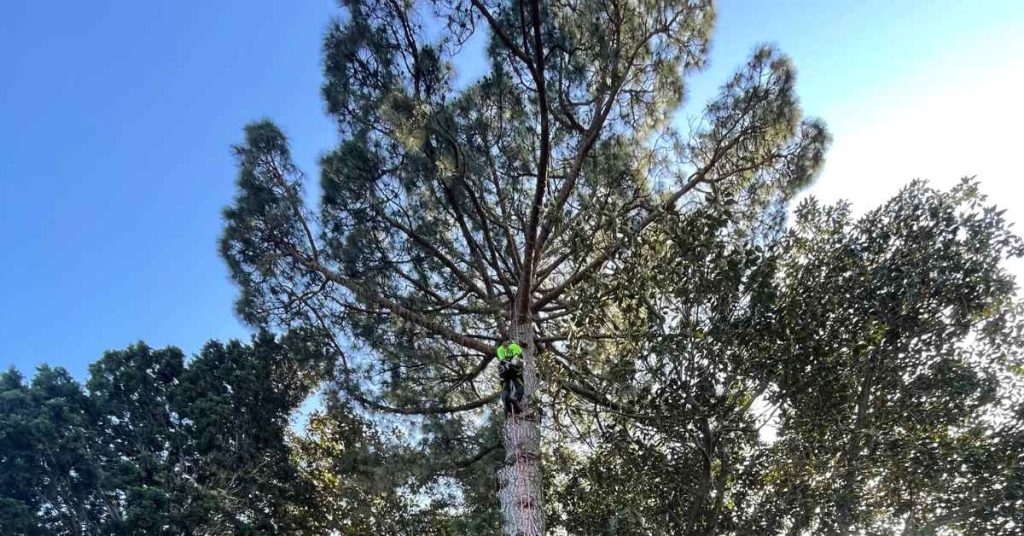
There are many reasons why you might need to remove a tree. Maybe it’s leaning too close to your home, causing damage to your property, or reaching the end of its life. Whatever the reason, removing a tree, especially a large one, isn’t something to take lightly.
As a professional arborist based here in Melbourne, one of the most common questions I get is, “How much will it cost to remove this tree?” And it’s a fair question. Tree removal service can be a significant expense, so understanding the potential costs upfront can help you plan and avoid surprises.
The price of removing a large tree depends on several factors, including the tree’s height, location, type, and condition. Whether it’s near power lines, close to a building, or in a tight backyard, these details all affect the final cost.
In this blog, I’ll break down exactly what goes into the cost of large tree removal so you can make informed decisions and know what to expect before calling in the pros.
What Is Considered a Large Tree?
When we talk about large trees, we usually refer to those that are over 10 metres tall, with a trunk diameter wider than 30 cm and a canopy spread that may stretch several metres across. These trees often tower over houses, sheds, and fences, and their root systems can run deep or wide underground.
In Australia, especially around Melbourne, some common examples of large trees include:
Eucalyptus (Gum trees): These native giants can easily reach 20–30 metres or more. They’re beautiful but notorious for dropping limbs without warning.
Pine trees: Fast-growing and very tall, pines often need removal when they become unstable or too close to structures.
Oak trees: While not native, oaks are found in many older suburbs and can have a massive canopy that adds to the complexity of removal.
So, why do large trees cost more to remove?
The answer comes down to labour, equipment, and risk. Big trees often require:
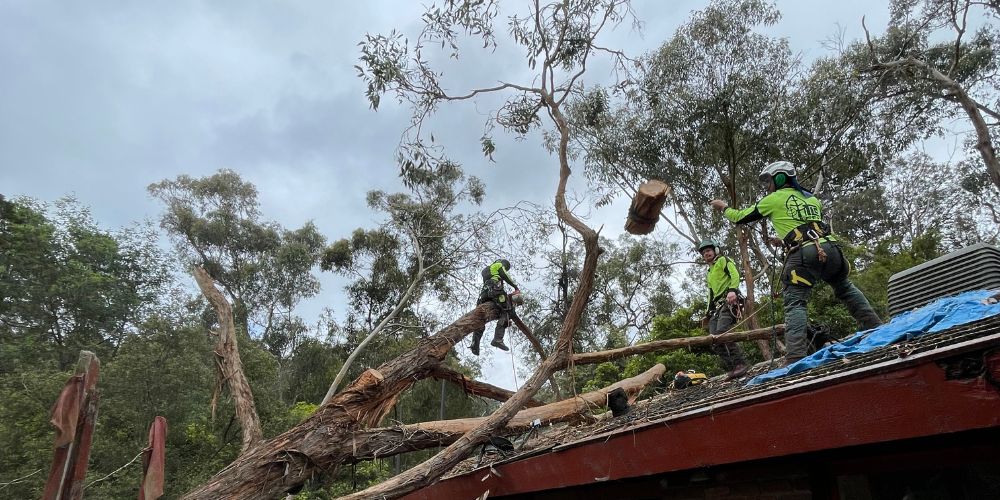
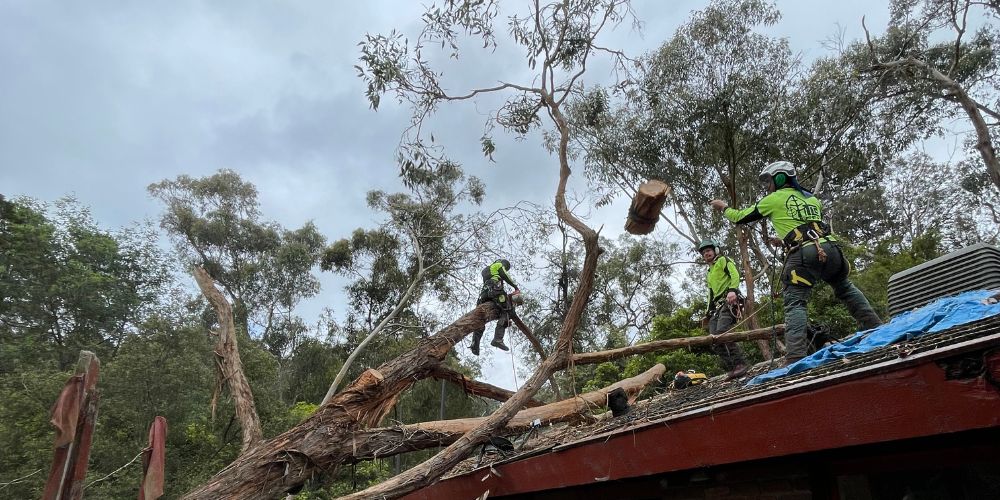
- Climbing and cutting in sections to avoid damage to nearby property,
- Specialised gear like cranes, elevated work platforms, or rigging systems,
- More crew members to manage the job safely and efficiently.
- The bigger the tree, the higher the risk to workers and the surrounding property. That’s why tree removal quotes for large trees are usually much higher than for smaller or medium-sized ones.
Average Cost to Remove a Large Tree in Australia (2025)
If you’re looking at removing a large tree in 2025, you can expect to pay anywhere from $1,500 to over $5,000, depending on several factors. While this seems like a big range, the final cost comes down to the tree’s location, size, and how easy (or tricky) it is to access.
This is a ballpark figure. We highly advise that you talk to us directly for an accurate quote tailored to your tree, location, and access needs.
| Tree Size | Suburban Cost | Difficult Access | Emergency Removal |
|---|---|---|---|
| Large (10–20m) | $1,500–$3,000 | $2,500–$4,000 | $3,000–$5,000+ |
Here’s a quick breakdown to give you an idea of what to expect:
- Suburban Cost: This covers most typical removals in standard backyards with easy access to equipment.
- Difficult Access: If the tree is behind a house, close to fences or buildings, or near power lines, extra care and equipment are needed, so the price goes up.
- Emergency Removal: If a tree has fallen during a storm or is posing an immediate danger, emergency call-outs often involve after-hours work, quicker response times, and added risks, all of which increase the cost.
- Remember, every job is different, and a proper quote will always consider your property’s unique conditions.
Factors That Affect the Cost of Large Tree Removal
No two tree removal jobs are exactly the same, which is why prices can vary so much. Here are the main factors that influence the cost of removing a large tree:
- Tree Height and Canopy Spread
The taller and wider the tree, the more complex the job. Large trees often need to be taken down in sections, especially if they’re near buildings or fences. Bigger trees also take more time and effort to remove safely. - Trunk Diameter and Tree Condition
A thick trunk requires more effort to cut through, and a tree that’s rotting, leaning, or split may be unstable, making the removal more dangerous. Fragile or decaying trees often require extra precautions and may bump up the cost. - Accessibility
Is the tree easily accessible, or is it tucked away in a narrow backyard? Can machinery get close, or will the arborist have to carry everything in by hand? Limited access almost always means higher costs due to extra time and labour. - Removal Method: Climb-and-Cut vs Crane
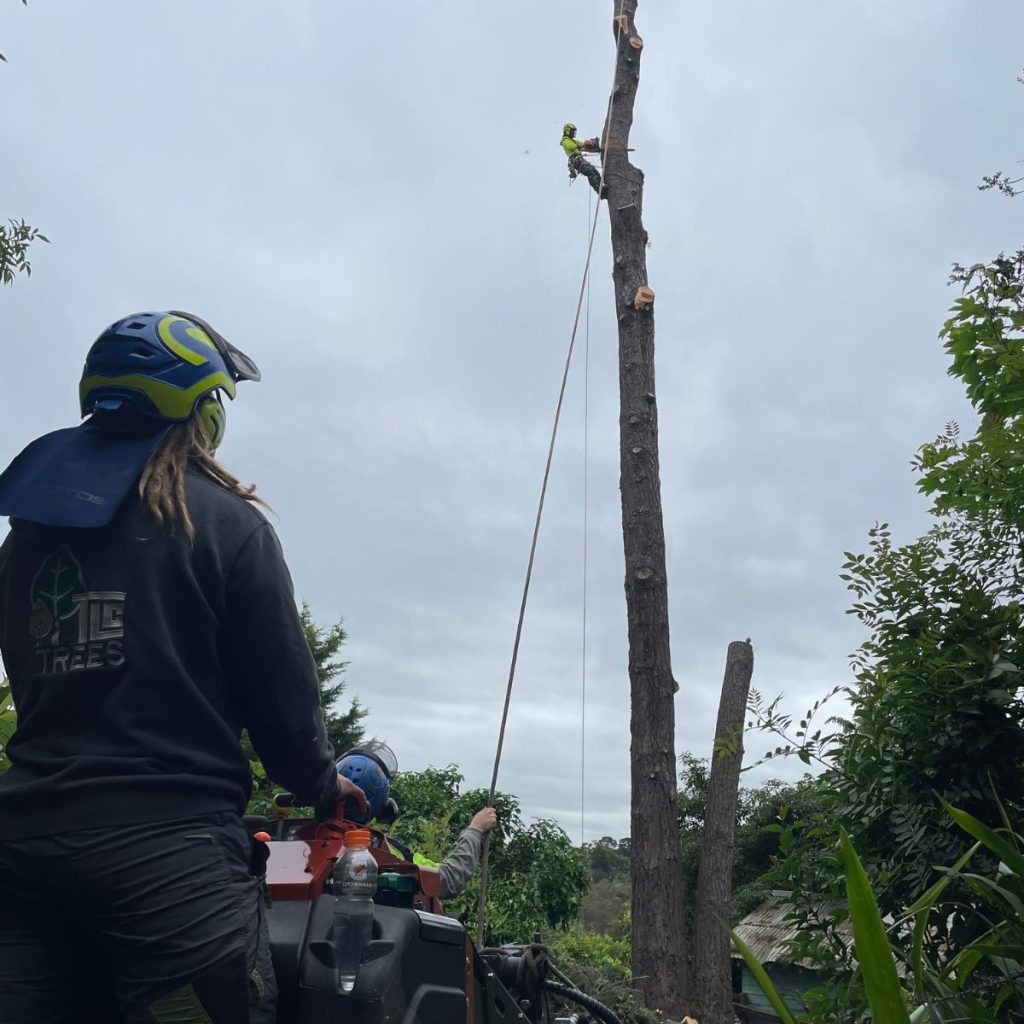
For hard-to-reach trees, arborists may need to climb and cut the tree piece by piece using ropes and harnesses. If the tree is extremely large or dangerous, a crane might be brought in. Cranes make the job faster, but they add a significant cost. - Council Regulations and Permits
Some local councils in Melbourne require permits before removing a large tree, especially if it’s considered protected or native. Permit fees and wait times can impact the timing and total cost of the job. - Waste Removal and Stump Grinding
Tree removal doesn’t always include cleaning up the mess. If you want the branches, logs, and stump removed—or the stump ground down—it will usually cost extra. Make sure your quote clearly lists what’s included. - Emergency or Storm-Damaged Trees
If a tree has fallen during a storm or is at risk of collapsing, it becomes a high-priority and high-risk job. Emergency removals often come with after-hours service fees, especially if they’re urgent or involve insurance work.
Hidden Costs to Watch Out For
When you get a quote for large tree removal, it’s important to read the fine print. Some services that seem “included” might actually come with extra charges. Here are a few common hidden costs to keep an eye on:
- Stump Removal
Many people assume that removing a tree means the stump goes too—but that’s not always the case. Stump grinding is often a separate service, and it can add a few hundred dollars to the job, depending on the size of the stump and access. - Green Waste Disposal
Not all companies include clean-up and removal of branches, logs, and foliage in the base quote. Some may leave the debris for you to deal with unless you specifically request waste removal. - Travel Fees for Remote Locations
If you live outside the metro Melbourne area or in a semi-rural part of Victoria, you might be charged extra for travel time, fuel, or transporting machinery to your site. Be sure to ask if location affects your quote. - Council Paperwork and Arborist Reports
If you need a permit to remove a protected tree, you may also need a professional arborist report to support your application. These reports come at a cost, and the council may charge additional fees for processing the paperwork. - Crane Hire or Elevated Work Platforms (EWPS)
In some cases, trees are just too tall or dangerous to remove safely using standard climbing methods. Hiring a crane or EWP can significantly speed up the process, but it can also add thousands to your total bill.
Can You Remove a Large Tree Yourself? (And Should You?)
It might be tempting to try removing a tree yourself—especially with plenty of online tutorials available—but when it comes to large trees, DIY removal is rarely a good idea.
Safety Risks
Working at height with chainsaws, ropes, or ladders is extremely dangerous, especially if the tree is unstable, leaning, or close to your home. Falls, injuries from falling branches, or damage to property are all too common in DIY attempts. Arborists are trained and insured to handle these risks.
Legal Issues
Some large trees—especially native or mature ones—are protected by local council regulations, and removing them without permission can lead to fines. Even if the tree is on your property, you might still need a permit or an arborist report before going ahead.
Equipment and Insurance Considerations
Professional tree removal involves specialised tools and safety gear, from chainsaws and climbing harnesses to cranes and stump grinders. Most homeowners don’t have access to this equipment, and regular home insurance may not cover you if something goes wrong.
When DIY Is Not an Option
If the tree is close to power lines, buildings, fences, or a neighbour’s property, it’s definitely not a DIY job. The potential for injury or damage is just too high. Even experienced DIYers should call in a qualified arborist for these high-risk removals.
In short—unless you’re dealing with a very small, manageable tree and have the right knowledge and gear—it’s safer and smarter to leave large tree removal to the pros.
How to Save Money on Large Tree Removal
Tree removal can be a big investment, but there are smart ways to reduce the cost without cutting corners:
- Get multiple quotes from qualified arborists. Prices can vary, and comparing options ensures you’re getting a fair deal.
- Book during off-peak seasons, like winter or early spring, when arborists may be less busy and more open to competitive pricing.
- Combine jobs—If you have more than one tree to remove or need pruning done, bundling the work can lower your overall cost.
- Ask about keeping the wood or mulch. Some arborists will discount your job slightly if they don’t need to remove and dispose of the tree material.
Do You Need Council Approval to Remove a Large Tree?
In many Melbourne suburbs and across Victoria, you may need council approval before removing a large or native tree, especially if it’s covered by a Vegetation Protection Overlay (VPO) or Significant Landscape Overlay (SLO).
Here’s how to check:
- Visit your local council website (like the City of Melbourne, Mornington Peninsula Shire, or Yarra Ranges Council) and search “tree removal permit”.
- Look for tree height, trunk diameter, or species-based guidelines.
- If required, submit a permit application. This may take a few days to a few weeks to process, and fees vary by council.
To be safe, always double-check before removing a large tree, or speak to your arborist—they can often help guide you through the process.
Hiring a Qualified Arborist: What to Look For
Tree removal isn’t something you want to hand off to just anyone. Here’s what to look for in a professional arborist:
- Qualifications – Ask if they hold an AQF Level 3 (or higher) in Arboriculture. This is the industry standard for tree professionals in Australia.
- Insurance – Make sure they carry both public liability and workers’ compensation insurance. This protects you in case something goes wrong.
- Reviews and references – Look up customer reviews online or ask for past client references. A good arborist will have happy customers and a track record of safe work.
- Detailed written quote—A proper quote should clearly list all inclusions, including tree removal, waste disposal, stump grinding (if included), and any extra fees.
Frequently Asked Questions
Does size or height matter more?
Both matter, but height often adds more complexity, especially if it requires climbing, rigging, or crane work.
Will the quote include stump grinding?
Not always. Many arborists treat stump grinding as a separate service—so be sure to ask.
Is it cheaper in rural areas?
Sometimes, remote locations can also attract travel fees or require more setup time. Costs vary based on access and local demand.
Can storms affect pricing?
Yes. After major storms, demand for emergency tree removal can spike, and prices may rise due to higher risk and urgent response times.
Conclusion
Removing a large tree is a big job—and a big decision. On average, you can expect to pay between $1,500 and $5,000+, depending on the size of the tree, its location, access, and whether emergency work is needed.
To get the best result:
Always get multiple quotes.
Check council regulations before cutting.
Hire a certified and insured arborist.
Need help with a large tree removal?
Contact us for expert advice and a fast, free quote. We’re Melbourne locals with years of experience in safe, professional tree removal—no surprises, just honest service.