Get Bushfire Ready Today with Tree Removal and Safety Services
If you live in Victoria or anywhere along Australia’s bushfire-prone regions, you know the threat is real. The bushfire season is arriving earlier, lasting longer, and becoming more intense each year. What once felt like a distant rural issue is now affecting coastal towns, outer suburbs, and even lifestyle blocks across the Mornington Peninsula.
So, how do you actually prepare your property for bushfire season? It starts with a few key steps that are easy to overlook but make a big difference when fire conditions peak:
- Know when to leave and when it’s safe to stay by understanding the fire danger ratings and setting clear triggers for action.
- Clear away fuel sources like dry leaves, fallen branches, and overgrown vegetation. These can easily catch alight and spread fire toward your home.
- Clean and maintain your roof and gutters to prevent embers from settling and igniting dry debris.
- Create a defendable space by trimming trees and shrubs close to your home. This helps reduce the intensity of any fire that approaches your property.
- Have a bushfire survival plan in place. Knowing exactly what you and your family will do if fire threatens is just as important as physical preparation.
The good news is that many of these tasks are straightforward if you start early. Local councils and the CFA strongly recommend preparing well in advance of summer.
In this guide, we will show you exactly what to do, where to start, and how to protect your home, your land, and the people you care about.

Understand Your Bushfire Risk
Before you start preparing your property, it’s essential to understand its actual vulnerability. Not all properties face the same level of risk. Elements such as the amount of surrounding vegetation, the slope of your land, prevailing wind patterns, and the ease with which emergency services can access your property all play a part.
One of the key tools used across Australia is the Bushfire Attack Level (BAL) rating. This system measures the likelihood of your property being exposed to radiant heat, ember attack, and direct flame in the event of a bushfire. There are six BAL ratings, ranging from BAL–LOW (very low risk) to BAL–FZ (Flame Zone, the highest risk level).
According to the Victorian Building Authority, more than 90 per cent of Victoria is considered bushfire-prone, and any new home built in these areas must meet minimum construction standards based on its Bushfire Attack Level (BAL). For instance, homes in BAL–12.5 zones must include basic ember protection, while those in BAL–40 and BAL–FZ zones need fire-resistant materials, window shutters, and tighter seals.
To check your risk level:
- Use the CFA’s Bushfire Prone Area interactive map: www.cfa.vic.gov.au/plan-prepare/am-i-at-risk
- Or check your local council’s planning maps for bushfire overlays and zoning details.
If your property is in a moderate to high BAL zone, it’s strongly recommended to get a formal BAL assessment, especially if you’re planning to renovate or rebuild. Understanding your balance allows you to make informed choices about everything from landscaping to insurance.

Key Areas to Prepare Around Your Property
When preparing for bushfire season, certain areas around the home need particular attention. After working in bushfire-prone regions for many years, these are the ones we focus on first. These are often where risk builds up quietly, and addressing them early can make a significant difference in protecting your property.
Roofs and Gutters
Roofs and gutters are one of the most common places where embers can settle during a bushfire. Leaves, bark and twigs tend to collect in gutters, especially after windy weather, and create a bed of dry fuel. If embers land in this debris, it can quickly catch alight and ignite the roof.
Regular gutter cleaning is a simple yet highly effective task. Clearing them out every few weeks during fire season is ideal. If you’re looking for a low-maintenance option, metal gutter guards can prevent debris from accumulating and reduce the need for frequent cleaning.
It is also worth checking your roof for gaps or entry points where embers could enter. Areas like vents, ridge capping, and eaves should be properly sealed. Ember-proof mesh or fire-rated sealing products can reduce the risk of embers entering your roof cavity and causing hidden fires that are difficult to detect and extinguish.
Garden and Landscaping
Your garden layout and plant selection can either reduce or increase the risk of bushfires. Trees and shrubs that are too close to the house or packed too tightly together can allow flames to approach your home more closely. Prune overhanging branches and space out plantings to reduce fuel load.
It also helps to use fire-resistant plants. These are species that retain moisture, have low oil content, and are less likely to ignite when exposed to heat. Local nurseries often provide fire-smart planting guides suited to your region. Avoid plants that shed large amounts of dry leaves or bark, as they contribute to ground fuel.
Lawn and Ground Fuel
The condition of the ground around your property has a major impact on how fire behaves. Long, dry grass and accumulated leaf litter are common sources of fuel that allow fires to spread quickly.
Keep lawns cut short and green wherever possible. Remove fine fuels, such as dead leaves, fallen twigs, bark, and dry mulch. These tend to accumulate along fence lines, in garden beds, and under shrubs, so check these areas closely. While mulch is useful in the cooler months, it becomes a hazard during hot weather. If you use mulch, keep it shallow and avoid placing it directly against buildings or timber structures.
Fences, Decks and Sheds
Outbuildings and structures connected to the house can become fire pathways if not properly maintained. Fences made from untreated timber are particularly vulnerable. If possible, replace timber sections with metal or fire-resistant materials. Even creating a metal break between a wooden fence and the house can help slow the spread of flames.
Decks and verandas should also be checked for gaps where embers might lodge. Enclosing the undersides of decks with mesh or non-combustible material can reduce risk. In sheds and garages, store flammable items such as petrol, gas bottles, and paints well away from the house and keep the area around them clear of vegetation and debris.
Access Routes
In a bushfire, time matters. Emergency vehicles need to access your property quickly, and you may need to leave without delay. That is why driveways and access routes must be kept clear and wide enough for a fire truck.
Trim back trees and shrubs that line the driveway. Avoid placing bins, trailers or other obstacles where they could block access. If your property has a gate, ensure that emergency services can access it. Some councils operate programs that enable local brigades to access locked gates using a shared key or code. Check with your local CFA or council to see what options are available in your area.

Create a Bushfire Survival Plan
A well-thought-out bushfire survival plan can make the difference between panic and clear-headed action. While preparing your property is important, knowing exactly what to do when fire threatens is just as critical. Your plan should be written down, shared with everyone in the household, and practised well before summer arrives.
When to Stay and When to Leave
The most crucial decision in any fire plan is whether to stay and defend your home or evacuate early. This decision should never be made at the last minute. Fire conditions can change rapidly, and even experienced property owners can underestimate the speed at which a fire can spread.
If you plan to stay, you need to be physically fit, mentally prepared and have the right equipment to defend your home. This includes having a reliable water supply, proper hoses, and protective clothing. If any of these are not in place, the safest option is to leave early.
Decide in advance what your trigger will be. For example, a specific fire danger rating, a warning from emergency services, or a fire in a nearby area.

What to Pack in a Go Bag
A Go Bag is a pre-packed emergency kit you can grab quickly if you need to evacuate. Please keep it in a location that is easily accessible, and check it at the start of each fire season to ensure everything is still usable.
Essentials to pack include:
- Copies of important documents (ID, insurance, medical records)
- Mobile phone and charger
- First aid kit and medications
- Spare clothes and sturdy shoes
- Bottled water and snacks
- Torch and batteries
- Cash, as ATMs, may not be available
- Face masks or cloths to cover your nose and mouth
You may also want to pack comfort items for children or pets, such as toys, food or bedding.
Practice the Plan
A bushfire plan only works if everyone understands it. Take the time to discuss it with your family or housemates. Walk through different scenarios, such as what you would do if the power goes out, if roads are blocked, or if someone is away from home. Agree on a meeting point and ensure everyone knows the safest route out.
Practice is not just for families with children. Even adults can freeze under pressure if the plan has not been tested. A few minutes spent walking through the steps now can save time and lives later.

Engage Professional Help Where Needed
Getting your property ready for bushfire season is not something you have to do entirely on your own. In fact, some tasks are best left to professionals who have the right training, equipment and insurance to do the job safely.
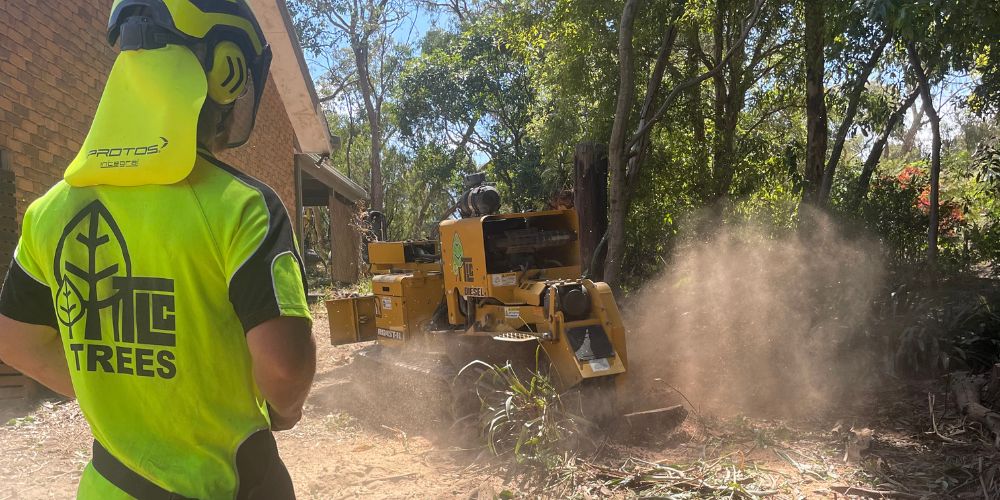
Qualified arborists can identify and remove high-risk trees, prune overhanging branches, and advise on vegetation management that complies with local regulations. If a tree is too close to your home or power lines, having it removed professionally reduces risk without creating new hazards.
Gutter cleaning and ember-sealing specialists are also worth considering. Gutter debris is one of the most common causes of spot fires, and professional cleaners can remove this fuel quickly and thoroughly. Ember-sealing experts can identify and fix vulnerable points around your roof, eaves and vents that embers might otherwise enter.
Licensed builders may be required if your home needs upgrades to meet a specific Bushfire Attack Level (BAL). These upgrades include fire-rated cladding, window protection or water tank systems. A builder experienced with BAL construction can ensure any modifications meet the current standards and improve your home’s resilience.
Investing in expert help may cost more upfront, but it can provide peace of mind, knowing the job is done properly.
Stay Informed During Fire Season
Staying informed is just as important as physical preparation. Fires can develop quickly, and having access to real-time information helps you make safer decisions.
Start by downloading the VicEmergency app on your phone. This app provides warnings, watch zones, and emergency updates directly from the relevant authorities. You can set up alerts based on your home, workplace, or any other location you care about.
Understand what the fire danger ratings mean. These are issued daily and help you gauge the level of risk in your area. On days rated Extreme or Catastrophic, it is usually safest to leave early and avoid high-risk areas altogether.
Finally, tune into CFA broadcasts and ABC local radio during hot or windy days. These channels provide live updates on active fires, road closures and evacuation routes. A battery-powered or wind-up radio can also come in handy if the power goes out.
By combining early preparation with up-to-date information, you are giving yourself and your property the best possible protection.
Frequently Asked Questions
How early should I start preparing my property for bushfire season?
Start preparations in late winter or early spring. This gives you time to complete larger tasks, such as tree pruning, clearing gutters, or arranging professional services before the weather heats up.
Do I need council approval to remove trees for bushfire protection?
In many areas, yes. Some councils have exemptions for bushfire risk, but you may still need a permit. Always check with your local council or consult a qualified arborist for guidance.
Can I stay and defend my home during a bushfire?
Only if you are well-prepared, physically able, and have the right equipment. Most authorities recommend leaving early as the safest option unless your property meets strict fire safety guidelines.
What is the 10/30 rule in Victoria?
The 10/30 rule allows you to clear trees within 10 metres of your house and vegetation within 30 metres without a planning permit in designated bushfire-prone areas. Always confirm with your local council.
Conclusion
Preparing for bushfire season is not just a one-off job. It is an ongoing commitment to keeping your home, your family and your community safe. The more you do now, the less you will need to worry when conditions change or warnings are issued.
Simple actions, such as clearing gutters, trimming trees, and creating a fire plan, can make a real difference. You do not need to take it all on yourself. Local support services are available to help you manage the bigger tasks. Arborists, tree removal professionals, ember-proofing specialists and BAL-certified builders all play a role in making your property safer.
Bushfires are unpredictable, but preparation does not have to be. Start early, get the right advice, and take steady steps to reduce your risk. With the right support and a solid plan, you can face the fire season with confidence.
Ready to make your property safer? Contact us today to book an inspection or get expert advice.