The Effects of Fire on Trees: Clearing for Regeneration in Victoria
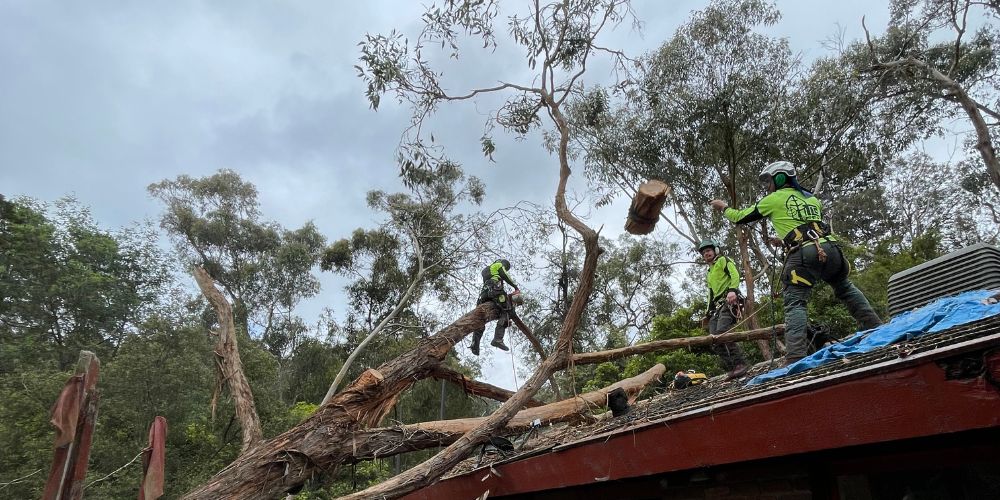
Fire remains one of the most powerful forces shaping Victoria’s natural environment. Many native trees have adapted to fire over thousands of years, yet today’s hotter, faster and more unpredictable conditions create challenges that past ecosystems never faced.
Some fire-damaged trees recover beautifully, while others become unstable long after the flames are gone. This mix of resilience and hidden danger means careful, expert assessment is essential when restoring safety around homes, roads, public spaces and bushland.
Fire-affected trees do more than change the landscape’s look. They can influence long-term regeneration, soil stability and native habitat. At the same time, they can pose a significant risk to people and property if structural damage is overlooked. Understanding the behaviour of fire-affected trees is the foundation of safe, successful post-fire recovery.
Fire as a Natural Process in Victorian Ecosystems
For thousands of years, Victorian ecosystems functioned with frequent, low-intensity fires guided by Indigenous fire management practices. These burns nourished the soil, supported plant diversity and reduced fuel loads. Many native trees built survival strategies around them.
Modern fires behave differently. Climate shifts, prolonged droughts, accumulated fuel and changing land use now contribute to fires that burn far hotter than the slow, cool burns these trees evolved with. At these temperatures, damage is more severe and long-term stability becomes far less predictable.
High-intensity fire can:
- Kill sections of bark and cambial tissue
• Penetrate protective bark layers
• Damage root systems that appear healthy on the surface
• Alter soil moisture and nutrient levels
• Create conditions ideal for decay fungi
As a result, even species known for their fire resilience can become unpredictable hazards in the months and years following a major event.
Eucalypts and Epicormic Regeneration
Eucalypts are famous for their epicormic shoots that appear along trunks and branches after fire. This rapid canopy regrowth is vital for the tree’s energy production and survival. It reassures communities that recovery is underway and that the forest is returning to life.
However, epicormic growth is often misunderstood. It signals survival, not structural integrity. A tree may look vibrant and green while still containing:
- Internal cracks
• Compromised cambium
• Fire-weakened branches
• Hidden colonisation by decay fungi
• Root injuries that go unnoticed
Foliage alone cannot confirm whether a tree is safe. This is where expert assessment becomes essential. Many failures occur not at the time of the fire, but much later, once internal damage has progressed.
Regeneration of Native Shrubs and Understory Plants
Victoria’s understory species have extraordinary regenerative abilities. Many resprout from lignotubers or germinate from seeds triggered by heat or smoke. This fast-moving regrowth plays a crucial ecological role by stabilising soil and restoring wildlife corridors.
But fast understory regrowth can also hide serious tree defects. Dense vegetation can make it harder to detect:
- Split trunks
• Hanging or weakened limbs
• Root plate instability
• Early decay development
• Damage that occurred beneath the soil surface during the fire
This creates situations where risks are overlooked until a tree drops a branch or collapses unexpectedly. A thorough inspection is important before reopening tracks, work areas, or residential zones.
The Hidden Hazards of Fire-Affected Trees
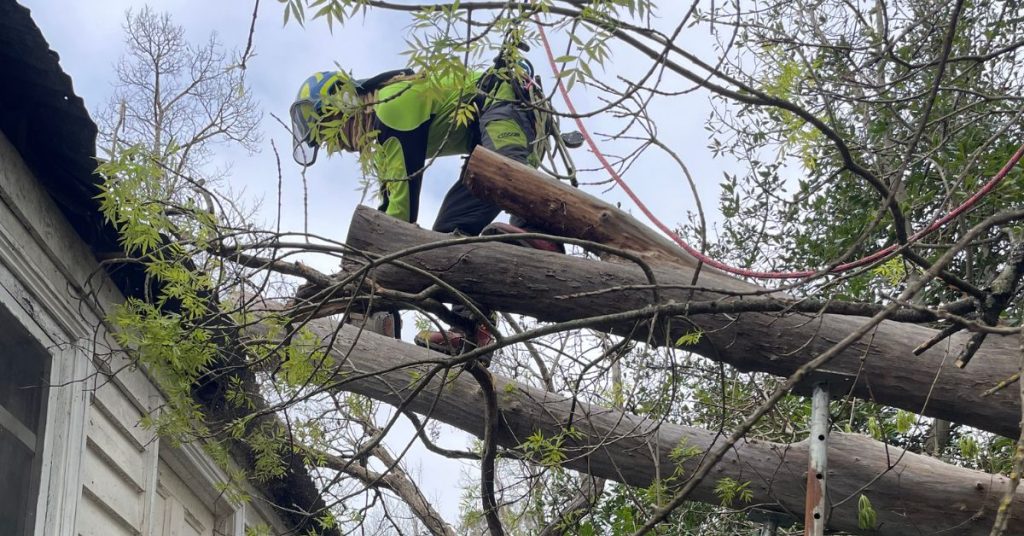
Fire damage leads to one significant challenge. Many failures are delayed. A tree might appear to stand strong for months, even years, before structural issues reveal themselves.
Common delayed failures include:
- Branch drop within the first 6 to 24 months
• Stem failure due to internal cracking or decay
• Whole-tree collapse from compromised root plates
• Sudden limb failure triggered by the weight of epicormic growth
These risks are highest in areas with regular activity, such as walking trails, urban parks, railways, roads, and residential areas. Even low-traffic areas require ongoing monitoring, as weakened trees do not announce their decline.
Selective Clearing for Stronger Regeneration
One misconception is that all burnt trees should be cleared. This is neither necessary nor ecologically beneficial. Clearing too aggressively removes habitat, increases erosion and disrupts natural regeneration processes. A more strategic approach focuses on selective clearing, which removes only the trees that genuinely pose risk or have no realistic recovery potential.
Selective clearing supports a safer and healthier landscape by:
- Allowing stable trees to continue their natural recovery
• Reducing the spread of decay from badly damaged trees
• Supporting stronger canopy development long term
• Creating safer access for communities and workers
• Allowing understory species to regenerate without obstruction
This approach preserves the ecological balance of the site while still protecting people and property. It also ensures that remaining trees have the best opportunity to thrive in the years after a fire.
The Arborist’s Role in Post-Fire Assessment
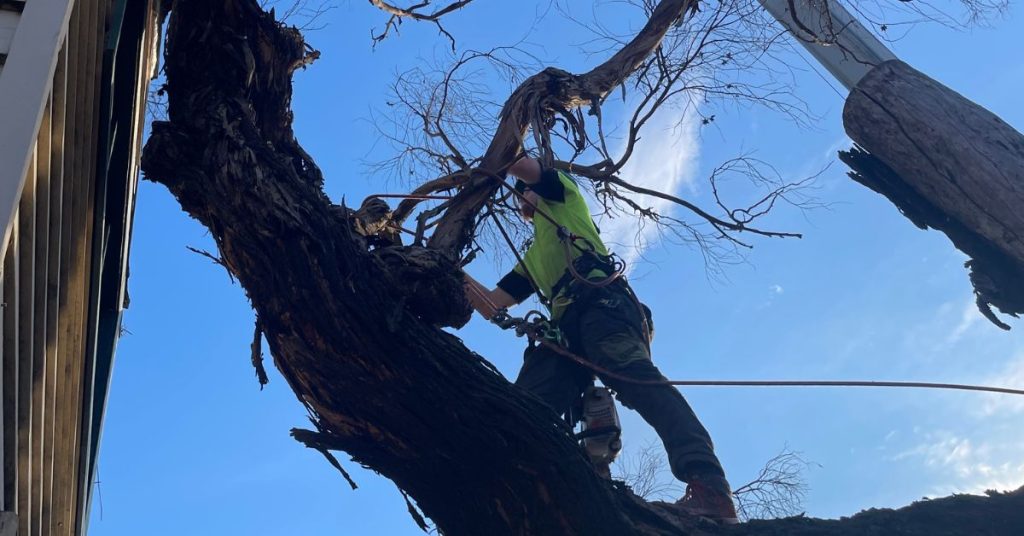
Assessing fire-affected trees is a specialised process. It requires understanding species behaviour, fire intensity, soil impacts and biomechanics. Arborists look beyond visible foliage and examine the internal and structural elements that determine long-term stability.
A proper fire-damage assessment includes:
- Scorch height and heat exposure analysis
- Bark loss and cambial assessment
- Structural inspection for cracking or delamination
- Evaluation of root plate stability and soil condition
• Inspection for early signs of fungal decay
• Mapping of epicormic shoot distribution
• Assessment of external targets such as buildings, roads or playgrounds
These detailed evaluations help determine which trees can remain safely, which require pruning and which must be removed to protect people and ensure regeneration can proceed without interruption.
Monitoring Fire-Affected Trees in the Long Term
Many structural issues in trees do not appear immediately after a fire. As decay fungi develop or as roots decline, a tree that passed its initial inspection may begin to show new defects. Long-term monitoring ensures these changes are identified before they lead to failure.
Reasons ongoing monitoring is important include:
- Delayed decay development
• Stress caused by the weight of epicormic growth
• Soil changes that destabilise root plates
• Moisture fluctuations that affect trunk strength
• Wildlife activity that may expand hollows or cavities
This continued oversight is essential for both ecological recovery and public safety.
Supporting Long-Term Regeneration Across Victoria
Strong regeneration depends on balanced, informed management. Trees are resilient, but they cannot repair structural weaknesses caused by extreme heat. Human intervention supports safer recovery, healthier regrowth and more reliable outcomes for the surrounding environment.
The most effective long-term regeneration strategies include:
- Proactive risk assessment
• Retaining trees that can recover safely
• Removing the ones that pose foreseeable danger
• Monitoring through multiple seasons
• Supporting understory regrowth naturally
• Planning land use with future fire conditions in mind
With these elements working together, Victoria’s fire-affected landscapes can return to strength and ecological function.
Why Professional Post-Fire Tree Management Matters
Property owners, councils and land managers often reach a point where they need more than general knowledge. They need accurate answers, onsite assessment and a clear plan that protects both the environment and the community. This is where engaging a qualified arborist becomes a decisive next step.
Fire-affected trees are unpredictable. Some failures occur years later. Others happen suddenly with no visible warning. Professional assessment provides clarity on which trees are safe, which need monitoring and which require immediate action. Selective tree removal improves regeneration outcomes while reducing liability and restoring peace of mind.
Choosing a tree care team with fire-season expertise ensures:
- Precise assessment rather than guesswork
- Safe and efficient clearing where needed
- Protection of trees with strong recovery potential
- Reduced future risk to homes and public spaces
- Compliance with Victorian safety and vegetation regulations
- A long-term plan for monitoring and regeneration
When lives, properties and environmental assets are involved, expert decisions matter. Post-fire landscapes recover best when managed with accuracy, structure and care.
Conclusion
Fire shapes Victoria’s environment, but intelligent intervention shapes its recovery. Many native trees regenerate with impressive strength, yet internal fire damage often persists long after visual greening returns. Selective clearing, expert assessment and long-term monitoring create safe, thriving landscapes that continue to support wildlife, biodiversity and community use. With the right guidance and the right team, Victoria’s fire-affected regions can regenerate with stability, safety and strength for the future.
