What to Put on a Tree After Cutting a Branch
I often get asked, “Do I need to put something on my tree after cutting a branch?” It’s a great question, and I understand the concern. After all, trees are living things, and when you prune them, it might seem like they need a little first aid.
Pruning is an important part of tree care. It helps remove dead or diseased branches, shapes the tree for better growth, and prevents weak limbs from becoming a safety hazard. But once you’ve cut, what’s next? Many people assume they need to apply a wound dressing or tree paint to protect the exposed area. However, this isn’t always necessary—and in some cases, it can actually do more harm than good.
Trees have a natural way of healing themselves by sealing off wounds and preventing infection. So, should you leave the cut alone, or does it need extra care?
In this guide, I’ll walk you through what to do (and what to avoid) after cutting a tree branch, helping you keep your trees healthy and thriving.
Should You Use a Tree Wound Sealer or Paint?
For years, many gardeners and homeowners believed that applying a wound dressing or tree paint after pruning was the best way to protect a tree from disease and pests. The idea makes sense—covering the wound should prevent infection, right? Well, not exactly.
Why Us Experts Advise Against It
Modern research shows that tree wound sealers often do more harm than good. Here’s why:
- Traps Moisture & Causes Rot – Instead of protecting the wound, a thick layer of sealer can trap moisture, creating the perfect environment for fungi and bacteria to thrive.
- Slows Natural Healing – Trees have a natural defence mechanism called compartmentalization, where they seal off damaged areas on their own. Wound dressings can interfere with this process, delaying healing.
- Some Contain Harmful Chemicals—Many commercial sealers include petroleum-based ingredients, which can be toxic to trees and surrounding soil.
When a Sealer Might Be Necessary
There are a few cases where applying a tree wound dressing is recommended:
- Oak Trees – Pruning cuts on oak trees should be sealed immediately to prevent oak wilt, a deadly fungal disease. I’ve seen how quickly oak wilt can spread through a neighborhood if even one infected tree is left untreated. A thin layer of tree wound dressing on fresh cuts, especially during high-risk seasons (spring and summer), can make a significant difference.
- Large Cuts on Fruit Trees – Some fruit trees, like apples and cherries, can be vulnerable to disease after pruning, so a breathable organic sealer may help. I’ve worked on orchards where improper sealing led to bacterial infections, significantly reducing fruit yield. In these cases, I always opt for a product that allows moisture exchange while still providing protection.
- Storm-Damaged Trees – Trees that have suffered storm damage, especially those with large torn limbs, can sometimes benefit from wound dressing. While it’s not necessary for most species, trees like elms or maples with jagged breaks may need a bit of help to prevent decay from setting in too quickly.
For most trees, the best approach is to make a clean cut and let nature do the healing. I’ve seen trees close off wounds remarkably well on their own when cuts are made properly—at the right angle and in the right season. Overuse of sealers can actually trap moisture and promote rot, which is why I only recommend them in specific cases.
Best Practices for Treating a Freshly Cut Branch
When you prune a tree, it’s important to take the right steps to ensure it heals properly. While many people think they need to “treat” a tree wound, most of the time, the best thing you can do is leave it alone. However, there are a few things you can do to help your tree recover faster.
A. Leave It Alone (Most of the Time)
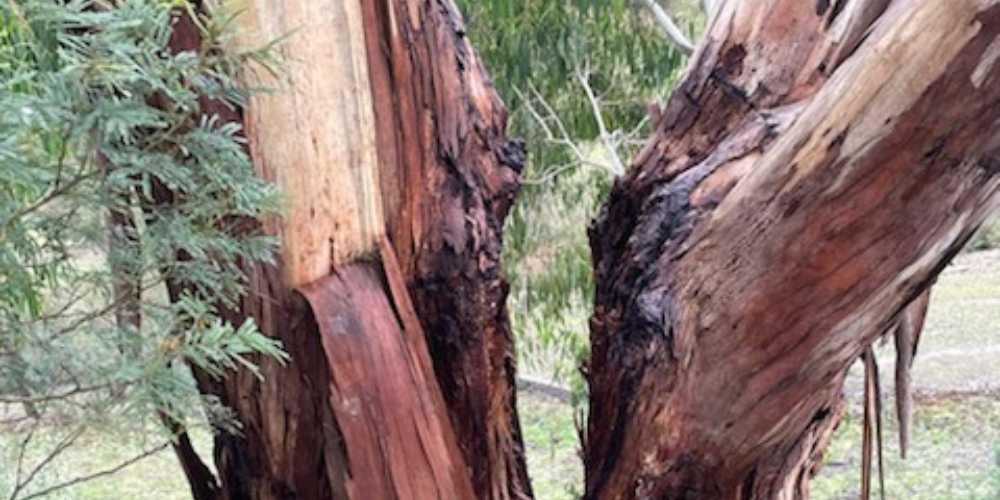
Trees are naturally designed to heal themselves. After a branch is cut, they seal off the wound by forming protective tissue over time. In most cases, all you need to do is make sure the cut is clean and remove any ragged bark or stubs that could invite disease.
B. Promote Faster Healing
To help your tree recover efficiently:
- Make a clean cut – Use sharp pruning shears or a saw to create a smooth cut, reducing stress on the tree.
- Cut at the right location – Always prune just outside the branch collar (the slightly swollen area at the base of the branch). This helps the tree close the wound faster.
- Water and mulch – Keeping the tree hydrated and adding mulch around the base helps provide essential nutrients.
- Fertilization (optional) – If the tree is old or stressed, a slow-release fertilizer can give it a boost.
C. Apply a Tree Sealant (If Necessary)
While not usually needed, in certain cases, a tree sealant may help:
- Organic alternatives – Beeswax-based sealants or natural tree resins allow the wound to breathe.
- Choose breathable options – If using a commercial sealer, look for one designed to allow air exchange to prevent moisture buildup.
Preventing Disease and Pests After Pruning
Pruning helps trees grow strong and healthy, but it can also leave them vulnerable to disease and pests if not done correctly. Taking a few precautions after cutting a branch can go a long way in protecting your tree from infections and infestations.
Sanitize Your Pruning Tools
One of the biggest risks after pruning is spreading disease between trees. Always clean your pruning shears, saws, and loppers before and after use—especially if you’re working on a tree with signs of disease. A simple wipe-down with rubbing alcohol or a diluted bleach solution (one part bleach to nine parts water) can prevent infections from spreading.
Avoid Pruning During High-Risk Seasons
Some trees are more vulnerable to disease during specific times of the year. For example:
- Oak trees should never be pruned in spring or early summer because they are at high risk of oak wilt.
- Fruit trees are best pruned in late winter when they are dormant to minimize disease exposure.
- Elms and maples are prone to infections if pruned during their active growing season.
Check the ideal pruning time for your specific tree type to reduce the risk of disease.
Check for Signs of Decay
After pruning, monitor the cut area for any unusual changes. Signs of trouble include:
- Fungal growth – Mushrooms or mould near the cut can indicate internal rot.
- Oozing sap – Some trees naturally ooze sap, but excessive dripping can signal a problem.
- Insect activity – Beetles, borers, or ants can take advantage of fresh wounds, weakening the tree.
If you notice any of these signs, consult an arborist to determine the best course of action.
Special Cases: When Additional Care Is Needed
Some trees require extra attention after pruning:
- Fruit Trees – Because they produce sweet fruit, they attract more pests and diseases. In some cases, applying a natural wound dressing can help protect them.
- Oak Trees – Oak wilt is a deadly fungal disease that spreads through fresh cuts. If you prune an oak during warmer months, applying a pruning sealant is recommended.
- Trees in High-Humidity Areas—Humid climates encourage fungal growth. If you live in a damp area, consider pruning during drier seasons and watching for rot.
By following these simple steps, you can keep your tree healthy and strong and reduce the risk of disease and pest problems after pruning.
Frequently Asked Questions
1. How long does it take for a tree to heal after pruning?
It depends on the tree species and the size of the cut. Small cuts heal within a few months, while larger wounds can take years to seal fully.
2. Can I use household products like petroleum jelly or paint as a sealer?
No, petroleum-based products can trap moisture and harm the tree. If a sealer is needed, use a breathable, organic alternative.
3. What if my tree starts leaking sap after pruning?
Some trees, like maples and birches, naturally ooze sap after pruning. It’s usually harmless and stops on its own.
4. How can I tell if my tree is struggling to heal?
Watch for signs like slow wound closure, fungal growth, or pests around the cut. If you see these, consult an arborist.
Conclusion
Pruning is essential for keeping your trees healthy. Still, in most cases, you don’t need to apply any treatment after cutting a branch. Trees have a natural ability to heal themselves, and sealing a wound can sometimes do more harm than good.
The best thing you can do is make clean cuts with sharp tools, prune at the right time of year, and provide proper aftercare, like watering and mulching. Suppose you’re dealing with oak trees, fruit trees, or trees in high-humidity areas. In that case, you may need to take extra precautions, such as using a breathable sealant.
Suppose you ever notice signs of disease, decay, or slow healing. In that case, it’s always a good idea to consult a professional arborist for expert advice. Taking the right steps after pruning will help your tree stay strong and thrive for years to come.