Who’s Responsible If a Tree Falls on Commercial Property?

Table of Contents
If you own or manage a commercial property, here’s a situation you never want to deal with. A tree falls and crashes onto your building, a tenant’s vehicle, or worse, a person walking by. The next question is always the same: who pays for the damage?
In most cases, you are responsible for trees growing on your land, especially if you’ve ignored signs of poor health or structural risk. If the tree had visible damage, dead limbs, or was leaning in a way that posed a threat, the liability is likely to fall on you. Councils and insurers expect you to take reasonable care of trees on your property. That means inspections, pruning, and sometimes removal.
If the tree falls during a massive storm and there are no visible warning signs, you might not be at fault. But if it turns out the tree had obvious issues that were never addressed, that’s when the legal and financial headaches begin.
As a consulting arborist, I’ve seen these scenarios unfold many times. And most of the trouble could have been avoided with a basic tree risk assessment and proper documentation. In this article, I’ll guide you through how liability works, what a professional tree audit looks like, how to avoid getting caught off guard by your insurance policy, and what signs of danger to watch for.
Let’s make sure the only thing falling on your property is autumn leaves. Ready to dig in?
Understanding Tree Risk on Commercial Properties
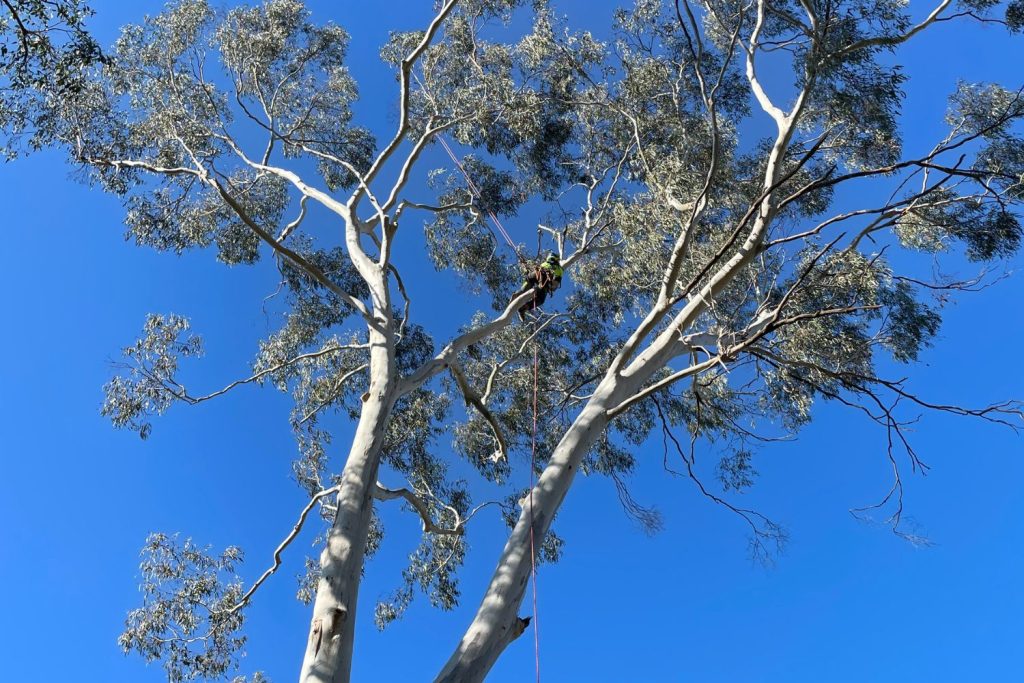
Trees are beautiful, valuable, and often legally protected, but they can also become serious liabilities if they are not properly managed. As an arborist, one of the first things I look at on a commercial property is not just what trees are there, but how likely they are to fail. I also look at what is nearby that could be damaged if they do.
What Makes a Tree “At Risk”?
A tree becomes a risk when there is a reasonable chance it could fail and cause harm to people, property, or vehicles. That risk increases if the tree is:
- Leaning heavily or in a new direction
- Showing signs of root damage or soil movement around the base
- Dropping large limbs for no clear reason
- Cracked, hollow, or split through the trunk
- Affected by pests or disease, such as decay fungi or borers
- Damaged by nearby construction or excavation work
Even trees that look healthy on the outside can have internal decay or structural weaknesses. On commercial properties, especially in areas with regular foot or vehicle traffic, the consequences of tree failure are much greater.
Why Commercial Land Is Held to a Higher Standard
Commercial property owners have a greater duty of care than residential ones. There is often more public access, more people on site, and a legal expectation that you are actively maintaining the environment. That includes the trees.
If your property is used by staff, customers, delivery drivers, or the general public, you are responsible for ensuring it is safe. This includes identifying and managing tree hazards before they become a problem.
In the eyes of insurers and local councils, commercial landowners are expected to exercise greater foresight. If there are no risk assessments in place and a tree causes damage, you may be held fully liable, and that can be costly.
Who’s Liable When a Tree Falls?
When a tree falls on or near a commercial property, the first question is simple: who pays for the damage? The answer usually depends on who owns the land where the tree was growing. From there, the details matter. Was the tree healthy? Was the risk known? Was maintenance ignored? These questions determine whether the owner acted responsibly or was negligent.
The General Rule: The Tree Owner is Responsible
In most cases, if a tree grows on your land, you are responsible for it. That includes any damage it causes if it falls. However, liability often depends on whether you took reasonable steps to prevent harm.
If the tree was clearly decaying, leaning, or dropping limbs and nothing was done, the property owner is usually liable. That is considered a known risk, and the law expects proactive management.
If the tree was healthy and suddenly fell during extreme weather, you may not be at fault. In such cases, insurers often consider it an act of nature, meaning it could not have been predicted or prevented.
When the Tree Belongs to a Neighbour
This is a common scenario. A tree from next door crashes onto your property. Who pays for the damage?
If the neighbour knew or should have known that the tree was unsafe, they can be held responsible. Signs like large dead branches, visible decay, or severe lean are clear red flags. If the tree was healthy and came down in a storm, the damage usually falls under your own insurance.
In most disputes, the problem is the same: no one has had a recent arborist inspection or report. Without documentation, it is difficult to prove who was negligent.
Landlords and Tenants: Who Handles the Trees?
For leased commercial properties, the three responsibilities depend on the lease agreement. In general, landlords are responsible for major tree maintenance unless the lease says otherwise. Tenants are typically expected to handle general upkeep, such as cleaning gutters or trimming small vegetation, not managing large trees or removing hazards.
Both parties should have the terms clearly written into the lease to avoid confusion later. A simple line about who is responsible for tree safety can prevent costly disputes.
When the Tree is on Council Land
If the tree grew on council-managed land, such as a footpath or nature strip, the local council may hold responsibility. However, you will need to show that the council failed to meet its duty of care. Councils do carry out inspections, but hazards can still be missed. If you believe the council was negligent, evidence such as arborist reports or prior complaints can strengthen your case.
Tree Safety Audits: What They Are and Why They Matter
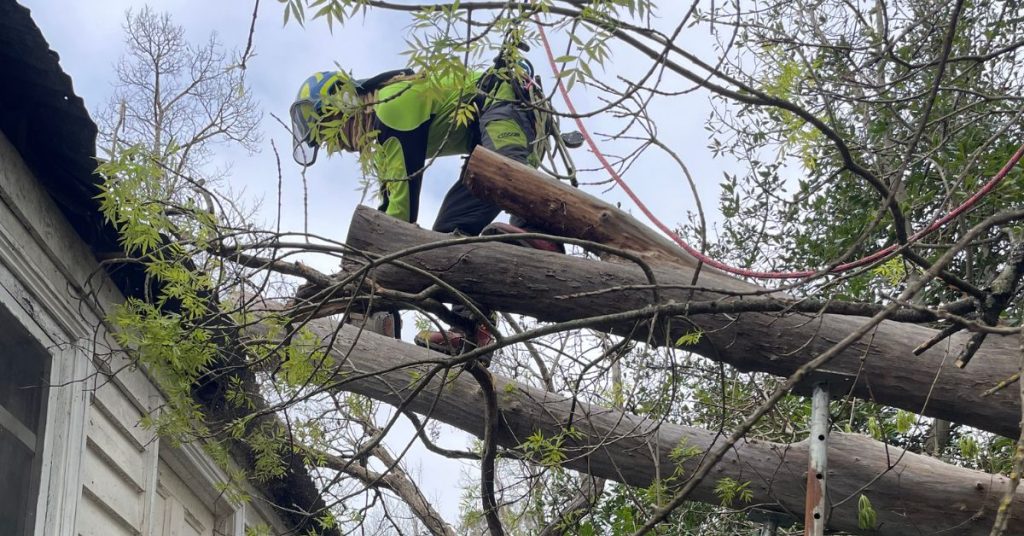
A tree safety audit is your first line of defence when it comes to managing trees on commercial property. It’s a formal assessment carried out by a qualified arborist to identify potential hazards, evaluate tree health, and document risk levels. More importantly, it proves that you’ve taken reasonable steps to prevent harm, something insurers and councils both take seriously.
What Is a Tree Safety Audit?
Think of it as a health check for your trees. An audit looks at:
- Structural integrity of trunks and branches
- Signs of disease, decay, or pest damage
- Root stability and soil conditions
- Tree lean or movement over time
- Proximity to people, buildings, fences, and vehicles
We then assign each tree a risk rating based on its likelihood of failure and the damage it could cause if it did. From there, we make professional recommendations, whether that means routine pruning, further investigation, or, in some cases, complete removal.
Who Should Carry It Out?
Only a qualified arborist, ideally at Level 5 or above (under Australian standards), should carry out a tree audit. These professionals are trained in both arboriculture and risk assessment, and their reports hold weight with councils, insurance companies, and in legal disputes.
Avoid using general landscapers or unqualified tree loppers for assessments. Their reports often don’t meet legal standards and may be rejected by insurers or local councils.
How Often Should You Get an Audit?
There’s no one-size-fits-all answer, but here are a few good rules of thumb:
- High-traffic commercial areas should be inspected annually
- Trees showing signs of stress or damage should be reviewed more frequently
- After major weather events, inspections should be carried out as soon as practical
- Before new developments or construction, audits can help protect root zones and preserve valuable trees
Keeping a regular audit schedule is also helpful for recordkeeping. If something goes wrong, you can show that you acted responsibly.
The Benefits Go Beyond Liability
A proper audit doesn’t just protect you legally. It also helps:
- Improve site safety and reduce injury risks
- Lower your insurance risk profile
- Keep tenants, staff, and customers safe and confident
- Identify maintenance needs early, before costs escalate
- Support council applications if you ever need to prune or remove trees
For many commercial property owners, tree audits are part of broader risk management strategies. They don’t just tick a box; they provide peace of mind and save you money in the long run.
Insurance: Are You Actually Covered?
When a tree damages a commercial property, many owners assume their insurance will cover the damage. But this is where things get tricky. Whether your claim is accepted or rejected often depends on what steps you took before the tree fell, not just what happened after.
What Your Insurance Policy Really Covers
Most commercial property insurance policies do cover damage from fallen trees, but there are conditions. Insurers usually ask one key question:
Was the tree being properly maintained?
If the tree was visibly diseased, damaged, or overgrown and you failed to act, your insurer may call that negligence. That can be enough to deny your claim altogether.
On the other hand, if the tree fell during a freak weather event and showed no warning signs beforehand, the damage may be considered unavoidable. In that case, your policy may cover the repair or replacement costs as long as you can show you were not at fault.
The Problem with “Acts of Nature”
The term “act of nature” or “act of God” refers to natural events that could not have been predicted or prevented. Think sudden storms, lightning strikes, or strong winds.
Insurers love this phrase because it gives them room to shift liability. If your policy includes this clause, it’s important to understand what it actually means. Often, the burden of proof lands on you to show that the tree did not present any risk beforehand.
Without a tree audit, that proof is hard to produce.
Real Claim Denials: What Usually Goes Wrong
Here are some common reasons insurers reject tree-related claims:
- No records of tree inspections or maintenance
- Prior complaints about the tree were ignored
- Visible signs of damage were never addressed
- The wrong person assessed the tree (e.g. a gardener instead of a qualified arborist)
- The tree was on your property, but not declared as part of the site risk profile
It’s not enough to say the tree looked fine. You need documentation.
How to Keep Your Claim Strong
If you want to avoid nasty surprises after a tree-related incident, take these steps now:
- Schedule regular tree safety audits
- Keep records of all arborist reports and maintenance
- Act quickly on any recommendations, especially for high-risk trees
- Share tree audit records with your insurance provider so there are no gaps
- Make sure your policy is up to date and includes tree damage as a covered event
When your insurer sees that you’ve been proactive and followed expert advice, you are far more likely to receive full coverage if something goes wrong.

Preventing Problems Before They Take Root
The best way to deal with tree-related risk is to prevent it. That means recognising early warning signs, maintaining a consistent care schedule, and knowing when a tree has outlived its place on your property. Prevention is always cheaper than a crisis.
Warning Signs Your Trees Might Be Dangerous
You don’t need to be an arborist to notice when something’s off. Keep an eye out for:
- Leaning trunks, especially when the lean is new or worsening
- Cracked or split branches, especially over car parks, footpaths, or buildings
- Dead wood, which is dry, brittle, and prone to dropping suddenly
- Mushrooms or fungal growth near the base, which can signal internal decay
- Uplifted soil or visible roots that suggest instability
- Hollow sounds when tapping the trunk with a tool
If you see any of these, it’s time to call in a professional. These signs don’t always mean a tree has to be removed, but they do mean something needs attention.
The Role of Routine Tree Care
Ongoing maintenance is key to a healthy tree population. This includes:
- Pruning to remove dead or overgrown limbs
- Mulching to protect roots and retain moisture
- Regular watering during dry spells, especially for younger trees
- Soil checks to ensure proper drainage and avoid root rot
- Inspections following construction, as nearby works can impact stability
Routine care not only keeps trees looking great, but it also reduces stress and makes them more resistant to pests, wind, and drought.
Remove or Maintain?
Not every risky tree needs to be removed. Sometimes, strategic pruning or cabling can stabilise a valuable tree. A qualified arborist can weigh up the options and give you clear guidance. However, if a tree is dead, diseased beyond recovery, or structurally unsound, removal is often the safest call.
Leaving it “just in case” is never worth the fallout if it fails.
Creating a Tree Risk Management Plan
For commercial properties, a documented tree management plan is worth its weight in insurance claims. It should include:
- A map of all trees on the site
- A record of past inspections and maintenance
- Risk ratings for each tree
- A future schedule for inspections and actions
- Contact details for your consulting arborist
Having this plan on hand shows that you take risk seriously and are actively managing your responsibilities. It also gives staff, tenants, and site visitors confidence in the safety of your property.
Working with a Professional Arborist
If you’re managing trees on commercial property, having a qualified consulting arborist on your side is not just helpful, it’s essential. From legal liability to insurance protection to council compliance, the quality of your arborist’s report can be the difference between a smooth outcome and a financial mess.
Why You Should Never Rely on DIY Assessments
Tree risk isn’t just about what you can see. Some of the most dangerous trees look completely normal from the outside. A professional arborist brings the training, equipment, and experience to assess:
- Structural defects inside the trunk
- Hidden signs of disease or decay
- Root plate movement or instability
- How the tree’s size and species influence its failure risk
Insurers and councils don’t accept notes scribbled by a gardener or photos emailed by a tenant. They want an expert report written in proper arboricultural language and in accordance with the relevant standards. That’s what holds up if something ends up in court.
What Makes a Good Arborist Report?
A proper arborist report for commercial property should include:
- The tree’s species, location, and condition
- A risk rating using recognised industry methods
- Recommendations for pruning, removal, or further monitoring
- Photos, measurements, and diagrams were needed
- A date-stamped record for compliance and insurance use
It’s a document that shows you’ve taken responsibility seriously and made decisions based on expert advice.
When to Get an Arborist Involved
Call a professional arborist:
- After storms or strong winds
- If a tree shows signs of stress, decay, or sudden movement
- Before property upgrades or major construction
- As part of an annual safety audit for your site
- If neighbours, tenants, or councils raise concerns
The sooner you get expert eyes on the problem, the more options you usually have.
Final Thoughts: Keep Your Trees Standing and Your Liability Low
Falling trees can cause serious damage, but most of the risk can be managed with the right knowledge and support. If you own or manage commercial property, your responsibilities go beyond mowing the lawns. Regular tree audits, proactive care, and clear documentation are the best tools you’ve got to stay legally, financially, and physically protected.
Trees don’t need to be a legal hazard. With the right approach, they can stay safe, healthy, and standing tall for years to come.
Worried about a tree on your commercial property?
Get in touch with a qualified consulting arborist and book a tree safety audit. Prevention is cheaper than a claim, and peace of mind is always worth it.