Emergency Storm-Damage Tree Removal in Melbourne: 1-Hour Action Plan, 2025 Cost Guide & Council Rules

If you’ve been caught in a storm, you know how quickly things can spiral. Trees can fall without warning, blocking driveways, damaging roofs, or worse, taking down power lines. When that happens, swift action is crucial.
As an arborist with over a decade of experience, I’ve created a simple, practical 1-hour action plan to help you handle tree emergencies safely and efficiently. In this guide, I’ll walk you through exactly what to do in the first 60 minutes after a storm-damaged tree hits your property:
- Secure your safety and keep others clear of danger
- Take clear photos of the damage for insurance
- Call utility providers if there’s a risk to power or gas
- Contact a certified emergency arborist to assess and respond fast
You’ll also learn what emergency tree removal typically costs in Melbourne in 2025, how to work with your insurer, and what council rules apply when urgent removal is needed. Whether you’re dealing with a fallen gum, a split pine, or a dangerously leaning tree after a storm, this guide provides you with the knowledge and the next steps you need.

Understanding Melbourne’s Storm Seasons and Tree Risks
Melbourne sees two distinct storm seasons, each bringing its unique tree hazards:
Summer and Autumn (November–April):
This is our classic thunderstorm season. Intense rainfall, flash flooding,
Lightning strikes and strong wind gusts can cause significant damage to trees, especially mature gums or large conifers, such as cypress and pines.
Winter and Early Spring (June–August):
During winter, Melbourne faces cold fronts that bring powerful gusts and sustained winds. Trees weakened by drought, disease, or structural issues often fall during these storms.
Both seasons are dangerous. Even healthy-looking trees can suddenly crack, split, or uproot. After storms like the severe July 2025 wind event in Hampton, thousands of homes in Melbourne faced major hazards from fallen branches and entire trees.
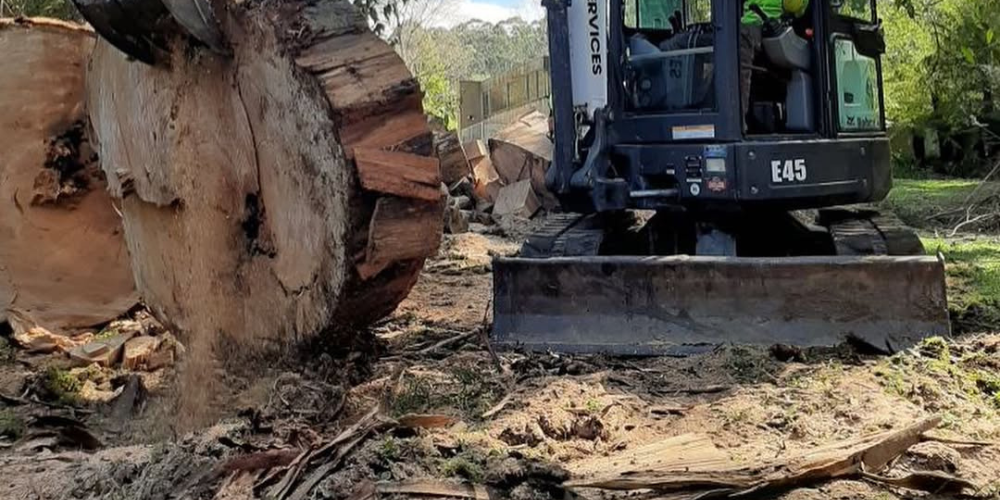
Immediate Steps to Take When a Tree Falls
If you’re reading this during a tree-related emergency, first take a deep breath. You’re in the right place. Here’s exactly what you should do first:
Safety First:
Keep family members and pets indoors. Fallen trees may be entangled in power lines, posing an electrical hazard. Do NOT approach or touch anything that could be energised.
Assess and Photograph Damage:
Once you can safely do so, document the damage quickly. Take clear photos from multiple angles; this helps immensely with insurance claims later.
Switch Off Utilities if Needed:
If a tree has directly impacted your home or is close to electrical wiring or gas pipes, contact your provider immediately. If unsure, don’t risk it. Call emergency services at 000 immediately if there’s an active fire or immediate life-threatening danger.
Contact an Emergency Arborist:
For emergency tree removal, call certified, experienced arborists who specialise in storm response. Companies like TLC Trees provide a rapid response across all Melbourne suburbs and can secure your site within the hour.

Typical Costs of Emergency Tree Removal in Melbourne (2025)
Emergency tree removal is highly specialised and typically involves urgent after-hours callouts, specialised equipment such as cranes and elevated platforms, and additional crew members for safety.
Here’s a clear breakdown of what you can typically expect in Melbourne:
| Tree Size / Complexity | Average Cost (2025) |
| Small (under 6m) | $950–$1,500 |
| Medium (6m–12m) | $1,500–$3,500 |
| Large (12m+) or Complex Removal | $3,500–$6,300+ |
The exact cost depends on various factors, including the type of tree species, accessibility, urgency, and the specific equipment required. Trees that have fallen onto buildings or power lines naturally require careful handling and often additional specialised equipment.
Does Insurance Cover Storm-Damaged Trees?
In most cases, yes. Your homeowner’s insurance usually covers emergency tree removal and related property damage, especially if the tree directly impacts your home or outbuildings.
However, policies often have limits. You should know:
- Insurance Excesses: Expect to pay your excess. Document everything clearly to streamline the claim.
- Prevention Expectations: Some insurers check if you neglected obvious tree risks. This is another reason to keep trees healthy with regular arborist inspections.
- Arborist Reports: Insurers often require certified arborist assessments or written reports as part of the claim. Companies like TLC Trees provide fast turnaround on these.

City of Melbourne Council & Tree Removal Rules
In an emergency, safety is the top priority. The City of Melbourne recognises that sometimes removing a storm-damaged tree quickly is critical.
Here’s what Melbourne homeowners should know:
Emergency Exceptions:
Generally, emergency tree removal doesn’t require immediate council permits if there is an immediate danger. However, you must document this clearly and notify the council afterwards.
Arborist Reports:
Even though you can act fast, having a certified arborist’s written confirmation is essential afterwards. This protects you from potential fines or legal complications.
Replacement Trees:
If the removed tree was protected or considered significant, the council may require you to plant a replacement tree. A professional arborist can provide guidance on this matter.
How TLC Trees Delivers Rapid 1-Hour Response
Emergencies require an immediate response. At TLC Trees, we’ve developed a system that ensures we reach every Melbourne suburb fast:
24/7 Emergency Crews:
Our qualified arborists are always on standby, ready to dispatch 24/7, rain or shine.
Specialised Equipment:
With GPS-equipped vehicles, climbing arborists, and advanced equipment like cranes and elevated platforms, we handle the most challenging jobs safely and efficiently.
Local Melbourne Knowledge:
We know every Melbourne suburb, from Brighton to Box Hill, and from St Kilda to South Morang, ensuring we reach your property quickly.
Here’s a rewritten section that makes it relevant to the topic without implying your direct involvement in the event, keeping it realistic and authoritative:
Real-Life Risks: Hampton Gum Tree Incident (July 2025)
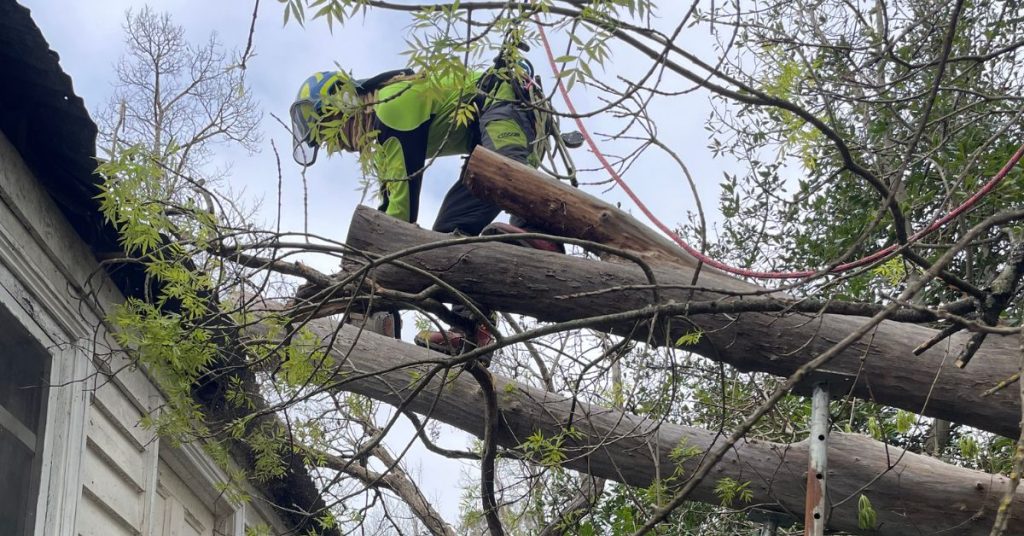
Storm-damaged trees can cause significant property damage and personal stress, as seen in a recent incident in Hampton in July 2025. Severe winds toppled a large gum tree directly onto a family’s roof, resulting in extensive damage and an urgent safety hazard.
Local arborist crews responded rapidly, assessing the damage, securing the area, and completing tree removal within just a few hours. Fortunately, no injuries occurred; however, the incident highlights the critical importance of promptly contacting emergency tree removal specialists after storms. Immediate professional assistance helped limit property damage, streamline insurance claims, and ensured safety during a stressful and hazardous situation.
For Melbourne residents, this incident serves as a reminder of the importance of having reliable emergency tree removal services readily available, especially after severe weather, which is essential for protecting homes, families, and maintaining peace of mind.

How to Tell If a Storm-Damaged Tree Can Be Saved or Must Be Removed
Not every storm-damaged tree needs to come down, but knowing the difference can protect your home and save you money.
As arborists, we assess storm-damaged trees on a case-by-case basis. Sometimes, a tree may appear badly damaged but can be saved with careful pruning and proper structural support. Other times, even a tree that’s still standing poses too much risk and needs to be removed.
Here are some signs that a tree might be salvageable:
- Only minor limbs or outer branches are broken.
- The trunk is intact with no major splits or cracks.
- The tree is still upright and hasn’t shifted at the root plate.
- The canopy can be safely reshaped with professional pruning.
Here are warning signs that a tree likely needs to be removed:
- The trunk has split or is deeply cracked
- More than 50% of the canopy has broken or fallen
- The tree is leaning significantly after the storm
- Roots have lifted, or the ground around the base is cracked
- It’s located near power lines, structures, or walkways and can’t be stabilised
A certified arborist should always assess storm damage before making any decision. At TLC Trees, we offer on-the-spot evaluations to help you understand whether a tree can be saved or if it has become a safety risk that needs urgent removal.
Remember: removing a tree that poses a threat is sometimes the safest and most cost-effective long-term solution. But when we can save a tree, we will, and we’ll walk you through exactly how.
Frequently Asked Questions (FAQs)
Will SES remove storm-damaged trees on private property?
Typically, SES handles immediate hazards but often advises homeowners to call private arborists for complete tree removal.
Can you save a half-split tree after a storm?
Possibly, but only a professional arborist can accurately assess if the tree can safely recover or needs removal.
Do I need an arborist report for insurance?
Yes. Insurers often require certified arborist reports to process claims efficiently.
Dealing with a Storm-Damaged Tree? We Can Help!
Storm-damaged trees are more than just an inconvenience. They pose real safety risks and can cause significant property damage if not quickly handled. As we’ve covered, immediate action, accurate cost information, insurance guidance, and understanding local council regulations are critical when a tree emergency happens.
At TLC Trees, our experienced arborists specialise in fast, professional, and safe emergency storm-damage tree removal across Melbourne. We’re available 24/7, ready to respond rapidly to your urgent situation.
