Manningham Council Grant for Tree Works: What You Need to Know in 2025

Managing large or overgrown trees can be costly, especially when safety, property value, and council regulations are involved. Thankfully, the Manningham Council Tree Works Grant is designed to ease that burden for residents. This grant provides financial support for eligible tree services, including pruning, removal, and arborist assessments, making it easier to maintain healthy trees and a safer property. With the right guidance, homeowners can access professional help at significantly reduced costs without cutting corners.
Over the years, we’ve seen how quickly tree issues can become both a safety concern and a financial burden for homeowners. Whether it’s a large tree growing too close to a house or a canopy threatening to drop limbs in a storm, the cost of proper tree work can be daunting.
That’s why the Manningham Council Tree Works Grant is such a valuable opportunity. It offers funding support for essential services, such as pruning, removal, and detailed assessments, helping residents manage their trees safely and within budget. With the right approach, you can access expert help without taking on the full cost yourself.
What Is the Manningham Council Tree Works Grant?
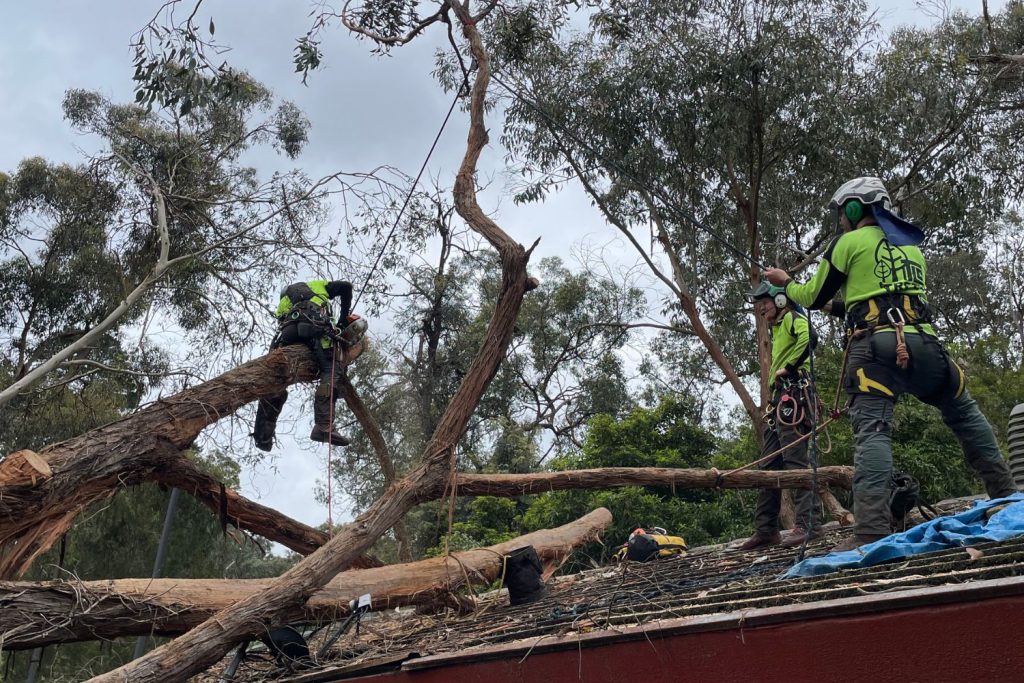
If you live in Manningham and have an ageing gum tree leaning a little too close to your house or maybe a heritage-listed oak that needs some expert care, you’ll be glad to know there’s help available. The Manningham Council offers a Tree Works Grant to support residents in maintaining and protecting significant trees and gardens. It’s a great way to manage tree-related issues without carrying the full financial load on your own.
Why Does This Grant Exist?
Trees add beauty, shade, and value to our properties, but they also come with responsibilities. When a tree becomes too large, poses a risk, or starts to decline in health, action is needed, and sometimes that action incurs costs that are more than we’d like. That’s where this grant comes in. It’s designed to help cover the cost of professional arborist services for trees that are either:
- At risk of falling or damaging property
- Heritage-listed or located in areas with vegetation protection overlays
- Significant in size, age, species, or visual impact
The goal is simple: support homeowners in keeping these trees safe, healthy, and standing for as long as possible.
Who Can Apply?
If you’re a homeowner, property manager, or even part of a community group looking after a property in Manningham, and your site is covered by a Heritage Overlay or Vegetation Protection Overlay Schedule 5, you may be eligible. This includes suburbs such as Doncaster, Templestowe, Warrandyte, and Park Orchards, places well-known for their leafy streets and mature trees.
What Can the Grant Be Used For?
The funding can go towards a range of professional tree services, including:
- Arborist inspections and detailed health assessments
- Pruning and canopy reduction (especially for safety or clearance)
- Structural support like bracing or cabling
- Pest or disease treatment
- Irrigation improvements for tree health
- Replanting if removal is approved and required
This isn’t a grant for everyday maintenance. It’s for specialist work that helps preserve and protect valuable trees.

How Much Can You Get?
The grant typically covers up to 50% of the total cost, with a maximum of $3,000 per property per financial year according to Manningham Smarty Grants. It’s a co-contribution model, meaning you’ll still pay part of the cost, but with council support, you can afford to use the right people and get the job done properly. One catch is that you must obtain approval before any work begins; otherwise, you won’t be eligible for reimbursement.
Please visit Apply for the Heritage Tree Works Grant – Manningham Council or Download the Full Guidelines .
Who Is Eligible to Apply?
Not everyone in Manningham can apply for the Tree Works Grant, but if you own or manage a property with older, significant trees or heritage-listed gardens, there’s a good chance you’re in. The council has established clear eligibility criteria to ensure that funding is directed to the appropriate types of tree projects.

You’re Likely Eligible If You Are:
- A homeowner living in the Manningham Council area
- A landlord or property investor managing eligible land
- A resident or community group caring for a shared or heritage property
- A business or commercial property owner with a protected vegetation site
So, whether it’s your family home, a rental, or even a commercial block with protected gums lining the driveway, you could be eligible.
What Kind of Properties Qualify?
The grant is intended for properties with recognised environmental or heritage value. Specifically, you’ll need to check whether your site falls under the:
- Heritage Overlay (HO)
- Vegetation Protection Overlay Schedule 5 (VPO5)
These overlays often apply to older suburbs, such as Warrandyte, Donvale, or Park Orchards, where many trees are over 40 years old and contribute to the local character.
And What About the Trees Themselves?
The grant supports works on trees or gardens that meet certain conditions:
- Significant age, species or size
- Visible structural issues (e.g. leaning, cracked limbs, poor branch unions)
- Pest or disease problems
- Proximity to homes, footpaths or powerlines
- Previously assessed by an arborist as needing attention
- If the tree poses a risk to people or property or if it’s part of the area’s natural or historic character, you’re in the right zone for support.
What Tree Services Can Be Funded?
If you are approved for the Manningham Council Tree Works Grant, you can use the funding to cover a range of professional services. These are not just basic gardening tasks but specialist works that require trained arborists and a clear purpose, usually related to safety, preservation or heritage value.
Here’s a breakdown of what the grant can help pay for:
Arborist Assessments
You can claim the cost of a formal tree inspection by a qualified arborist. This is often the first step, especially if you are unsure about the tree’s health or structural condition. A written report is usually needed to support your grant application.
Tree Pruning and Canopy Reduction
Whether you are managing overhanging branches, improving sunlight access, or removing storm-damaged limbs, pruning is one of the most common services funded. It must be carried out to a professional standard and not just for aesthetic purposes.
Tree Removal (When Justified)
In some cases, a tree might be too far gone to save. If it presents a real hazard or is seriously diseased and meets the council’s conditions, the grant can contribute to the safe and lawful removal of the property. You may need a planning permit in place before this is approved.
Tree Bracing or Cabling
For trees with weak branch unions or multiple trunks, structural support systems such as cabling or bracing can help extend their lifespan safely and effectively. These systems are designed and installed by arborists and are often supported under the grant.
Pest or Disease Treatment
The grant may also assist with professional treatments for fungal decay, borers, scale insects, or other common problems affecting older trees. These treatments help maintain long-term health and prevent the need for future removal.
Replacement Planting (If Required by Permit)
If a tree must be removed, the council may require you to plant a suitable replacement. In this case, the grant can help with the cost of planting a new tree that aligns with council guidelines.
How Much Funding Can You Receive?
If you’re planning to apply for this grant, here’s what you should expect in terms of financial assistance:
The Manningham Council Tree Works Grant typically covers up to 50% of the cost of eligible works. This includes services like arborist assessments, structural bracing, pruning, or treatment for pests and disease. For example, if your tree work is quoted at $4,000, the council may contribute $2,000 towards that amount.
For full details, refer to the official PDF guide provided by Manningham Council:
Download the Grant Guidelines (Trees & Gardens)
Maximum Grant Amount
You can receive up to $3,000 per property in a financial year. This amount represents the maximum council contribution—meaning your total project can exceed $6,000, but you’ll meet the co-contribution requirement.
Limits on Applications
You can only claim one grant per property per financial year. Once you’ve received $3,000, you’ll need to wait until the next council year if more work is needed.
For more information please visit Manningham City Council website.
Example Breakdown
| Project Cost | Your Share (50%) | Council Share | Total Grant Received |
| $4,000 | $2,000 | $2,000 | $2,000 |
| $6,500 | $3,250 | $3,000* | $3,000 (max cap) |
* Even though 50% of $6,500 is $3,250, the council caps at $3,000.
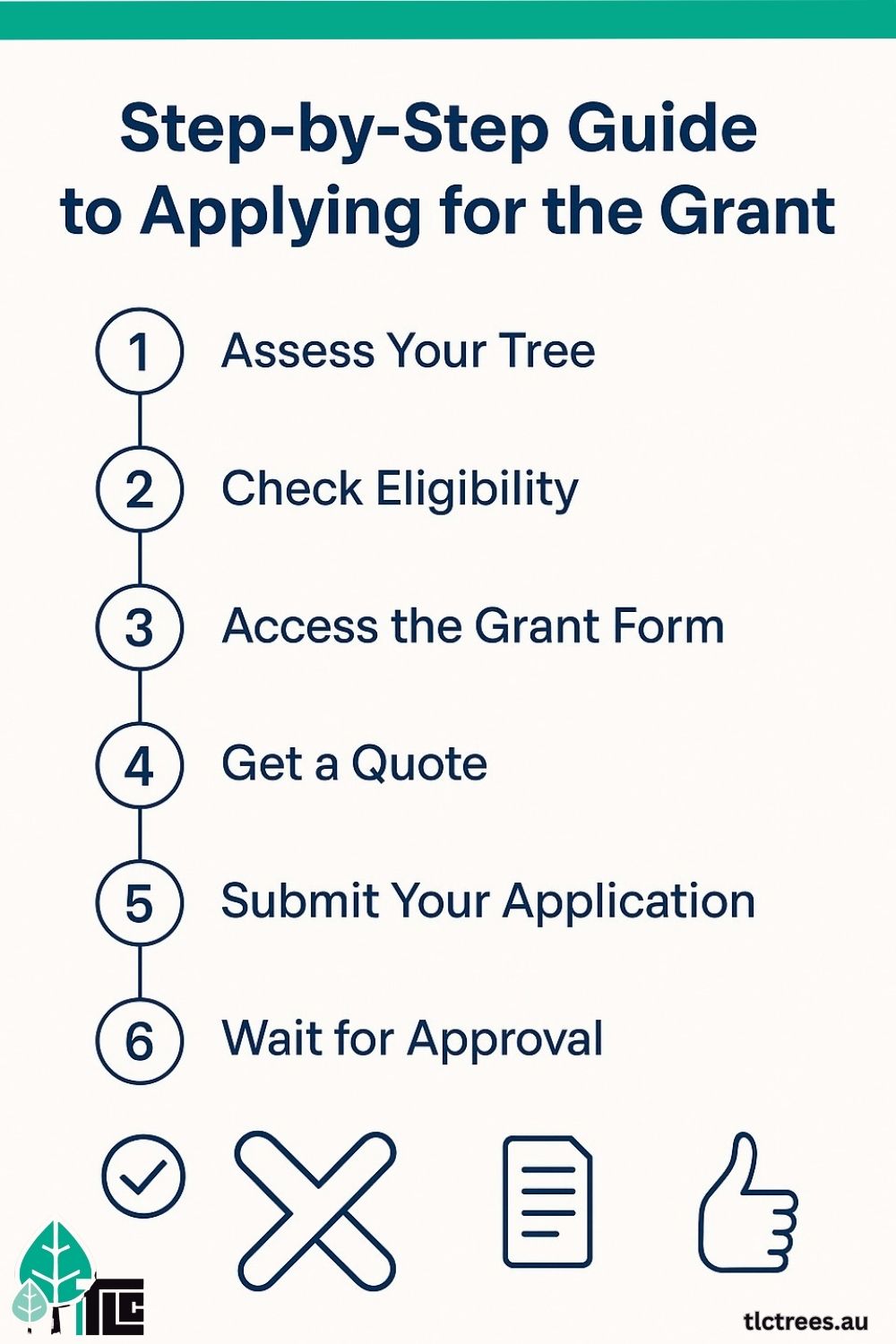
Step-by-Step Guide to Applying for the Grant
Applying for the Manningham Council Tree Works Grant doesn’t have to be complicated, but it does require the right information and preparation. Here’s a simple, step-by-step guide to help you complete it properly the first time.
1. Assess Your Tree Issue
Before taking any action, have a qualified arborist inspect the area to ensure the safety of the property. They can determine whether the tree is exhibiting signs of disease, structural weakness, pest infestations, or overgrowth. This inspection helps determine if your situation qualifies for funding and forms part of your application.
2. Check If Your Property or Tree Is Eligible
You’ll need to confirm whether your property falls under a Heritage Overlay or Vegetation Protection Overlay Schedule 5. This can be checked through the Manningham Planning Scheme or by calling the council’s planning team. If your tree is protected, you’re on the right track.
3. Download or Access the Council Grant Form
Visit the official Manningham Council website to access the grant application form. Make sure you’re filling out the Trees and Gardens – Heritage Restoration Fund version. Find it here.
4. Get a Professional Quote
You’ll need to include a detailed quote from a qualified arborist or tree care professional. The quote should outline the scope of work, including any risk factors, three conditions, and recommended action. Without this, your application can’t proceed.
5. Apply with the Required Documents
Along with your application form, include:
- A copy of the arborist’s report (if required)
- The professional quote
- Photos of the tree and site
- Any planning permit (if applicable)
6. Wait for Council Approval Before Starting Work
This is important. You won’t be eligible for funding if you start work before the council signs off. Once approved, you’ll receive written confirmation and can proceed with the project, knowing that part of the cost will be covered.

Tips to Get Approved Faster
Here are a few ways to strengthen your application and reduce delays:
Use a Qualified Arborist with a Level 5 AQF
The council gives preference to assessments carried out by a properly certified arborist. Level 5 AQF is the standard required for professional reporting.
Provide a Detailed Assessment
A good arborist report should include clear explanations of the tree’s health, structure, species, and associated risks. Vague or brief reports can lead to questions and hold up your application.
Include Clear Photos and Accurate Quotes
Take photos from different angles that show the tree’s size, condition, and proximity to structures. The quote should be itemised and aligned with the recommended work.
Clearly Explain the Risk or Need
If the tree poses a risk to people, property, or infrastructure, or if its condition is declining, ensure that this is clearly stated in both your quote and report.
Apply Early in the Season
Council grant budgets are reset annually but can be depleted quickly. Applying before winter or spring, when tree works increase, can help ensure funds are still available.
How We Can Help with Your Application
Navigating a council grant can feel overwhelming, especially if you’ve never applied before. That’s where we come in. We’ve helped many homeowners across Manningham successfully apply for the Tree Works Grant, and we’re here to make the process as smooth as possible.
Onsite Arborist Inspections
We begin by visiting your property to assess the tree in question. Whether it’s leaning, diseased, or dropping limbs, we’ll identify the issue and determine whether it’s likely to qualify for funding.
Written Reports for Council Submission
Our arborist reports are written to meet council standards, clearly explaining the tree’s condition, any associated risks, and the recommended works. These reports play a key role in your application and can help support approval.
Fixed Quotes Aligned with Grant Guidelines
We’ll provide a clear, itemised quote that matches the scope of work described in your report. This ensures your application includes exactly what the council needs to review.
Fast Turnaround for Documentation
We understand that grant cycles have deadlines and funding can be limited. That’s why we prioritise grant-related inspections and paperwork to ensure your application is submitted on time.
Support Through the Approval Process
Have questions during the application? Need help interpreting the overlay maps or responding to a council request? We’ll guide you through it step by step so nothing holds up your project.

Common Mistakes That Delay or Deny Grant Approval
Applying for the Manningham Tree Works Grant can be straightforward if you follow the process—but small missteps can easily cause delays or lead to a rejection. Here are some of the most common mistakes to avoid, based on what we’ve seen over the years:
Starting Work Before Getting Approval
This is the number one reason applications are denied. The council won’t fund any tree work that has already been started or completed before written approval is issued. Always wait for confirmation before booking the job.
Using Unlicensed or Unqualified Contractors
To be eligible, your quote and any assessment must come from a qualified professional, ideally an arborist with a Level 3 AQF qualification. Using a general landscaper or someone without proper credentials can weaken your application or make it invalid.
Missing Required Documentation
Applications need to be complete and clearly documented. This usually includes the application form, a detailed arborist report, a professional quote, and supporting photos. Missing even one of these can slow things down.
Not Addressing Planning Overlay Requirements
If your property is in a Heritage Overlay or Vegetation Protection Overlay, you may need a planning permit in addition to the grant approval. Failing to check this box can result in your grant being stalled or cause issues later.
FAQs About the Manningham Tree Works Grant
Can I apply after the tree work is done?
No, unfortunately not. The council only approves funding for work that hasn’t started yet. If you begin or complete the job before receiving written approval, your application will be automatically rejected.
Do I also need a planning permit?
It depends on your property. If your tree is covered by a Heritage Overlay or Vegetation Protection Overlay, you may need to apply for a planning permit in addition to the grant. In most cases, the arborist report can help determine if a permit is required.
Can I apply for multiple trees?
Yes, you can apply for works covering more than one tree on the same property—provided all are eligible and included in a single application. Please note that the maximum funding is $3,000 per property per financial year.
How long does approval take?
Council approval times can vary, but it’s best to allow at least 2 to 4 weeks for assessment. If your application is missing information or requires clarification, it may take longer to process. This is why complete and well-prepared documentation helps.
What happens if I’m denied?
If your application is unsuccessful, the council will explain. Often, it’s due to ineligible works, missing documents, or a tree that doesn’t meet the criteria. In some cases, you may be able to revise your application and reapply in the future.
Get Started with Your Tree Works Application Today
If you’ve got a tree that needs attention and think it might qualify for council funding, now is the perfect time to take the first step. We can help you navigate the process from start to finish, starting with an expert inspection and council-ready documentation.
Book an arborist assessment or request a free quote today, and let’s get your application underway before this year’s funding runs out. We’ll ensure everything is in order so you can secure the support you need and complete the job correctly.