Tree Removal Cost: What You Need to Know Before Hiring a Service
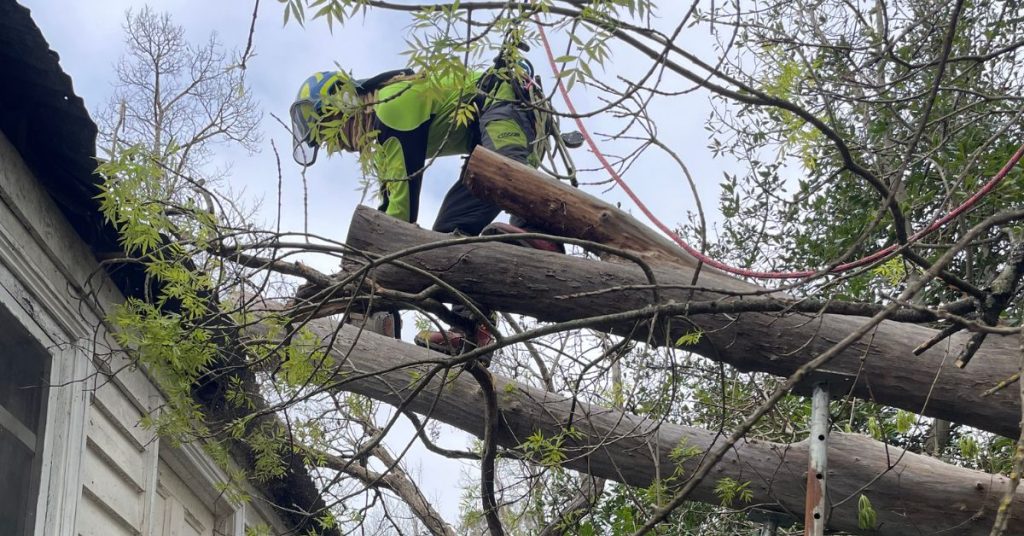
If you’re thinking about removing a tree, one of the first questions you probably have is, “How much will it cost?” Tree removal isn’t a one-size-fits-all service—pricing depends on several factors, including the size of the tree, its location, and any challenges involved in safely taking it down. Before hiring a service, it’s important to understand what goes into the cost so you can make an informed decision.
Many homeowners assume tree removal is straightforward, but it often requires professional skills, proper equipment, and careful planning. Cutting down a tree the wrong way can lead to property damage or even injury, making it essential to hire trained tree removal experts. The price can range from a few hundred dollars for a small tree to several thousand for a large one in a tricky spot.
This guide will break down the key factors that affect pricing, the average costs you can expect, and tips to help you get the best value for your money. Whether you’re dealing with a dead tree, storm damage, or need more space in your yard, knowing what to expect can help you plan and choose the right service.
When is a Tree Removal Necessary?
Trees are a great addition to any property, but sometimes, removing one is the best choice. Here are some common reasons why a tree might need to come down.
1. The Tree Is Dead or Dying
A tree that has lost most of its leaves has deep cracks in the trunk or has bark peeling off, which may be beyond saving. Dead trees become weak over time, increasing the risk of branches or the entire tree falling. If a tree looks lifeless, it’s best to have a professional assess whether removal is necessary.
2. The Tree Poses a Safety Risk
Leaning trees, large overhanging branches or trees with visible root damage can be dangerous. If a tree is close to your home, driveway, or power lines, strong winds or storms could bring it down, causing serious damage. If you notice signs of instability, it is important to act before it becomes a bigger problem.
3. The Tree Is Diseased or Infested
Certain tree diseases spread quickly, putting nearby trees at risk. If you see unusual growths, discoloured leaves, or soft, rotting wood, the tree might be sick. Some infestations, like termites or beetles, can also weaken the structure. If treatment isn’t an option, removal may be the safest solution.
4. The Tree Is Causing Property Damage
Tree roots can push up sidewalks, crack driveways, or even damage home foundations. Branches that grow too close to roofs or windows can also be a problem. If a tree is interfering with your property or future construction plans, removing it could save you from costly repairs down the road.
5. The Tree Is in the Way of a New Project
Are you planning an extension, a new patio, or a garden redesign? Sometimes, trees prevent home improvements. If a tree is preventing a project from moving forward, removal might be the best option to create the space you need.
Hiring a Professional vs. Removing a Tree Yourself
If you have a tree that needs to be removed, you might be wondering whether to call a professional or take on the job yourself. While handling it on your own is a way to save money, tree removal is more complicated than it looks. Here’s a breakdown of the pros and cons of both options.
Hiring a Professional
Safety First – Trained arborists have the right equipment and experience to remove trees without putting people or property at risk. Large trees, trees near power lines, or those with weak branches require careful handling.
Proper Equipment – Professionals use chainsaws, cranes, ropes, and stump grinders to get the job done efficiently and safely. Most homeowners don’t have access to these tools, and renting them can be costly.
Insurance Coverage – A licensed tree removal service carries insurance, meaning you’re protected if anything goes wrong. If you attempt removal yourself and damage your home or a neighbour’s property, you could be left with expensive repairs.
Cleanup Included – Tree removal creates a lot of Debris. Many professional services include cleanup, hauling, and even stump grinding, saving you time and effort.
Cost Consideration – Hiring a professional costs more upfront, but it reduces the risks of injury, property damage, and unexpected expenses.
Removing a Tree Yourself
Lower Upfront Cost – If you already have the necessary tools and skills, cutting down a small tree yourself could save money.
Control Over Timing – You don’t have to wait for an appointment; you can remove the tree when it’s convenient for you.
High Risk of Injury – Climbing, cutting, and handling heavy branches without proper training is dangerous. A falling tree can be unpredictable, and chainsaws can cause serious injuries.
Potential for Property Damage – If a tree falls in the wrong direction, it could damage your home, fence, car, or even a neighbour’s property.
No Insurance Protection—If something goes wrong, you’re responsible for any damage or injuries. Professionals carry insurance to cover these risks.
Disposal Challenges—After cutting down a tree, you’ll need to figure out how to dispose of the branches, logs, and stump. This can take extra time and effort.
Which Option Is Right for You?
Removal might be manageable for small trees in open spaces if you have the right tools and experience. However, for larger trees, trees near buildings, or those with structural issues, hiring a professional is the safest and most reliable choice. If you’re unsure, getting a quote from a tree removal expert can help you weigh your options.

What Affects the Cost of Tree Removal?
Tree removal prices can be all over the place, and it’s not always easy to know what to expect. The size of the tree, where it is located, and even how urgent the job is can all play a role in how much you’ll pay. Let’s go over the key factors so you have a better idea of what goes into the cost.
1. How Big Is the Tree?
The bigger the tree, the more work it takes to remove. Taller trees with thick trunks take longer to cut down and haul away, so they’ll cost more than smaller ones. A small tree in an open space is usually much quicker (and cheaper) to remove.
2. Is the Tree Healthy or a Safety Risk?
A strong, healthy tree is more predictable to remove. But if a tree is dead, diseased, or leaning, extra care is needed to prevent it from falling the wrong way. In some cases, special equipment is used to bring it down safely, which can add to the price.
3. How Close Is the Tree to Buildings or Power Lines?
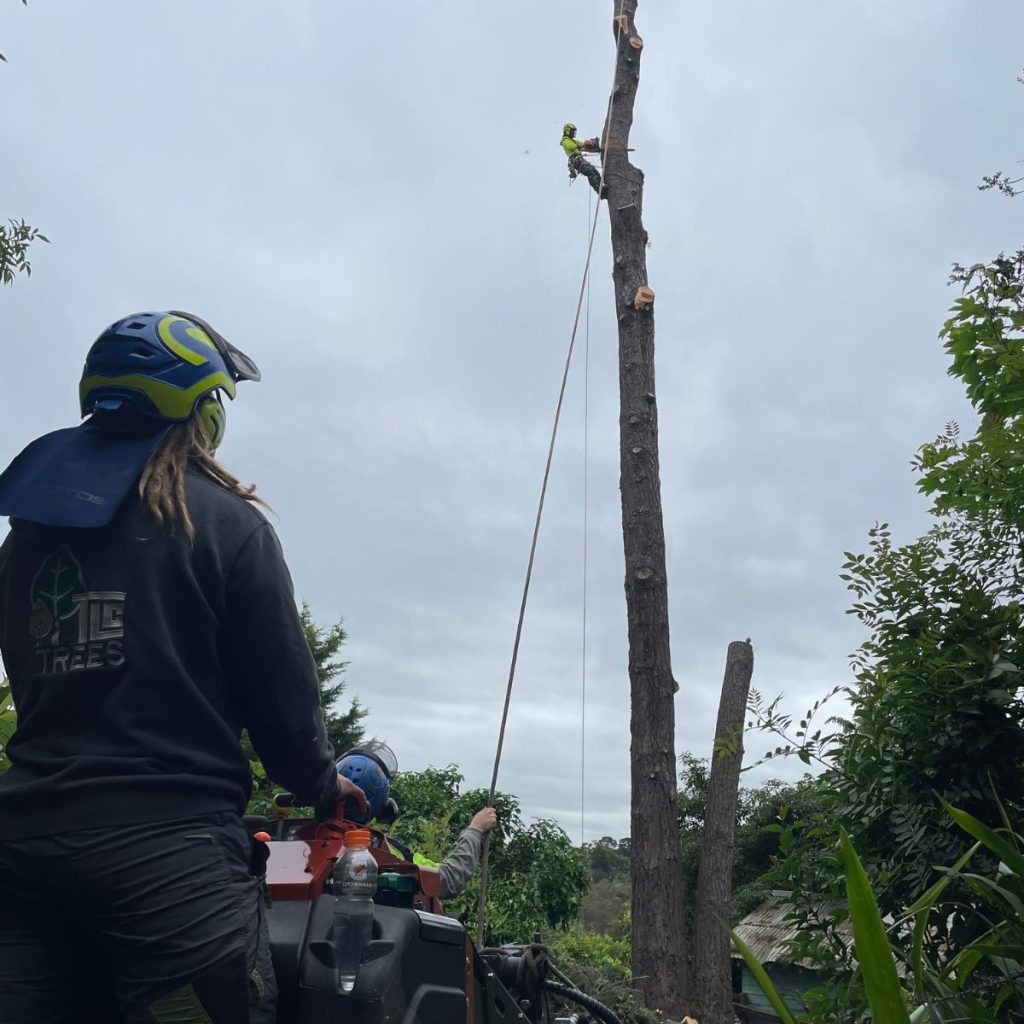
A tree standing in the middle of an open yard is easier to remove than one right next to your house, a fence, or power lines. However, a tree is in a tricky spot. In that case, the job requires more precision, time, and possibly even a crane, making it more expensive.
4. Do You Need It Gone Right Away?
Emergency tree removal—when a tree is at risk of falling or has already fallen after a storm—usually costs more than a scheduled job. Urgent removals often require a fast response, after-hours work, or specialized equipment, which can increase the price.
5. Do You Need a Permit?
Depending on where you live, you might need a permit to remove a tree, especially if it is a protected species or over a certain size. Permit costs vary by location, so it’s worth checking with your local council before scheduling a removal.
6. What About the Stump?
Tree removal doesn’t always include stump grinding or removal. Some people leave the stump behind to save money, but if you want it gone, that’s an extra cost. Stump grinding is the most common way to remove it, and it is usually charged separately.
7. What Happens to the Debris?
Once the tree is cut down, a lot of wood, branches, and sawdust are left behind. Some companies include cleanup in their price, while others charge extra to haul everything away. Keeping the wood for firewood or mulch might lower the cost.
How to Get a Fair Price
Every tree removal is different, so the best way to know what you’ll pay is to get a quote. A professional can look at your tree, consider all these factors, and give you a clear idea of the cost. If you’re not sure where to start, reaching out to a licensed arborist is a good first step.
Tree Removal Pricing in Australia
Tree removal costs can vary depending on the tree’s size, location, and the job’s complexity. Below is a industry general pricing guide to give you a better idea of what to expect.
Small Trees (Up to 5m Tall)
Removal is usually straightforward for small trees, like young gums or fruit trees. If the tree is easy to access, pricing starts at $250 and can go up to $700.
Medium Trees (5m – 10m Tall)
Trees in this size range require more time and effort to remove. If there are no major obstacles, removal costs generally fall between $700 and $1,500. However, the price may be higher if the tree is near buildings, fences, or power lines.
Large Trees (10m – 20m Tall)
Larger trees require more equipment and careful planning. Depending on accessibility and other factors, removal usually costs between $1,500 and $3,000.
Extra-Large Trees (Over 20m Tall)
Removal can be more involved for very tall trees or those in tight spaces. Depending on the complexity of the job, prices typically start at $3,000 and can go beyond $5,000.
Additional Services
- Stump Grinding—If you’d like the stump removed after the tree is cut down, we offer stump grinding services starting at $150, with prices varying based on stump size.
- Emergency Tree Removal – Urgent removals, such as storm-damaged or dangerously leaning trees, may incur higher costs due to the immediate response required.
- Permit Assistance – If a council permit is needed for your tree removal, we can guide you through the process. Permit fees typically range from $50 to $200, depending on your local regulations.

Do You Need Permission to Remove a Tree?
Before removing a tree, it’s important to check whether you need council approval. In many areas across Australia, local councils have regulations to protect certain trees, especially those that are large, native, or considered significant.
When Is a Permit Required?
You may need a permit if the tree:
- Is above a certain height (often over 5m but varies by council)
- Has a trunk diameter above a set limit (usually 30cm or more)
- Is a protected species or part of a conservation area
- Is classified as a “significant” or “heritage” tree
- Is on public land or close to shared property lines
Each council has different rules, so it’s always best to check before proceeding with removal. Removing a protected tree without approval can result in fines.
When Can You Remove a Tree Without Approval?
Generally, you won’t need permission if the tree is:
- Small and below the council’scouncil’s size restrictions
- Dead or dying and poses a safety risk
- Causing damage to structures like driveways or foundations
- Listed as an exempt species under local regulations
How to Check Your Local Tree Removal Rules
The easiest way to find out if you need permission is to visit your local council’s website or give them a call. If a tree removal permit is required, they will guide you through the application process.
If you’re unsure, we can help you navigate the approval process to ensure your tree removal complies with local laws.
Tips for Hiring a Tree Removal Service
Choosing the right tree removal service ensures the job is done safely, efficiently, and at a fair price. Here are some important things to consider before hiring a professional.
1. Check for Licensing and Insurance
Tree removal is risky work, so it’s important to hire a company that is licensed and fully insured. This protects you from liability if there’s an accident or damage to your property. Ask for proof of insurance and make sure they follow local safety regulations.
2. Look for Experience and Qualifications
Not all tree removal services have the same level of expertise. A qualified arborist will have the right training and experience to handle trees of all sizes, including those in tight spaces or near buildings. Ask about their qualifications, how long they’ve been in business, and if they follow Australian industry standards.
3. Get a Clear, Written Quote
Before agreeing to the job, request a detailed quote that includes:
- The total cost of tree removal
- Whether stump grinding is included
- Cleanup and waste removal services
- Any permit requirements
- Estimated time for completion
Avoid companies that give vague pricing or unusually low quotes, as there may be hidden fees or lower-quality work involved.
4. Read Reviews and Ask for References
Customer reviews can give you insight into a company’scompany’s reliability and quality of service. Check online reviews and ask for references from previous clients. A reputable service will have a track record of positive feedback.
5. Understand the Cleanup Process
Tree removal can leave behind a mess of branches, leaves, and wood chips. Some services include full cleanup and debris removal, while others may charge extra. Make sure you know what to expect before the job starts.
6. Get Multiple Quotes
It’s always a good idea to compare at least three quotes from different companies. This helps you understand the average cost and find a service that offers the best value.
7. Avoid Door-to-Door Offers
Be cautious of tree removal companies that show up unannounced and offer cheap services. Professional arborists don’t usually go door-to-door. Always verify credentials before hiring.
Frequently Asked Questions
What if my tree is on the property line?
If a tree stands on the boundary between properties, both owners may need to agree on its removal. Before proceeding, check with your neighbour and your local council.
Do tree removal services work in bad weather?
Tree removal is usually postponed in high winds, heavy rain, or storms for safety reasons. Your arborist will reschedule if conditions aren’t safe.
Will removing a tree increase my property value?
It depends. If the tree is dead, diseased, or a safety hazard, removing it can improve your property’sproperty’s appeal. However, healthy trees often add value by providing shade and beauty.
Can I replant a tree after removal?
Yes! If you want to replace a removed tree, choose a species that suits your space and local conditions. An arborist can recommend good options.
Conclusion
Tree removal is sometimes necessary for safety, property maintenance, or to clear space for new projects. Understanding when removal is needed, the costs involved, and how to choose the right service can help you make an informed decision.
Hiring a licensed and insured arborist ensures the job is done safely and legally. It’s always worth checking local regulations before removing a tree and comparing multiple quotes to get the best value.
If you’re unsure about your tree street’s condition or need professional advice, contacting a trusted tree removal service can save you time and money and can reduce potential headaches.